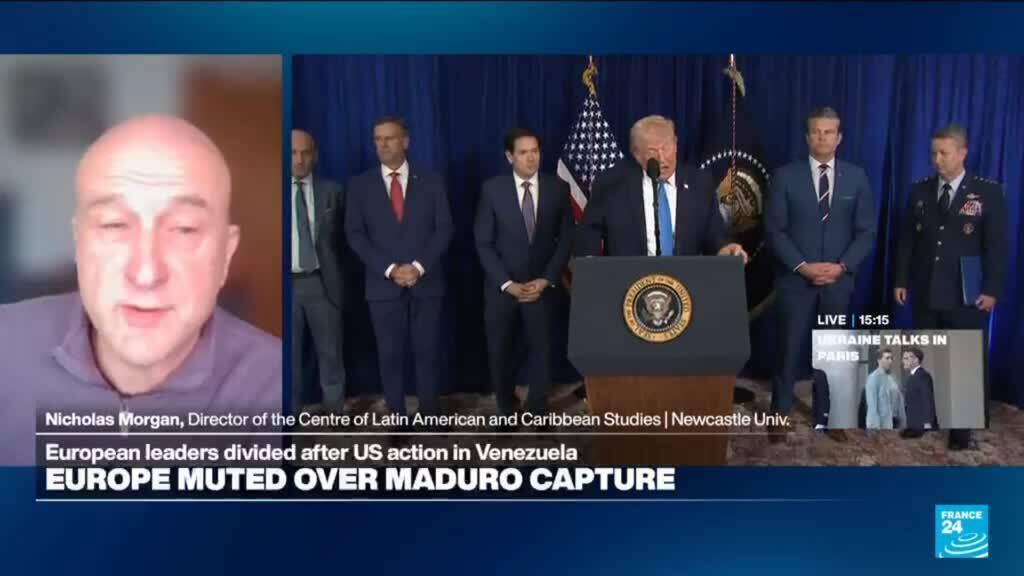
Europe Faces Stark Choice: Spend €1 Trillion for Military Independence or Stay Under US Wing
Europe Faces Stark Choice: Spend €1 Trillion for Military Independence or Stay Under US Wing European leaders are confronting the immense financial and political cost of true strategic autonomy from the United States, as internal audits and stark warnings expose the continent's fragile position. The debate centers on whether Europe can or should pay the staggering price—potentially €1 trillion—to build a self-sufficient defense force. A new report from France’s top audit body, the Cour des Comptes, declares the country’s planned €100 billion military expansion "incompatible" with EU budget rules, forcing "certainly difficult choices" [125637]. This conflict between urgent defense needs and fiscal constraints echoes across the bloc. The scale of full independence was quantified by outgoing Dutch Prime Minister Mark Rutte, who stated Europe would need to spend up to 10% of its total economic output—approximately €1 trillion—to build a "war-fighting and war-winning" defense industry separate from the United States [60363]. Rutte, a candidate for NATO Secretary General, called this goal impractical, arguing the immediate priority is stronger European coordination within the North Atlantic Treaty Organization (NATO) and meeting the alliance's 2% of GDP spending target. Analysts warn this dependence was a deliberate policy choice that has left the EU vulnerable. A separate analysis argues the bloc is dangerously unprepared for a potential second Trump presidency, having relied too heavily on regulation instead of building real economic and military power, a weakness exploited by both the U.S. and China [69895]. This vulnerability extends to diplomacy. European officials have sharply criticized wealthy Gulf nations for "free riding" on Ukraine defense, with EU foreign policy chief Josep Borrell stating the bloc carries a major burden while others benefit without sharing costs [125938]. Meanwhile, Europe’s muted response to the risk of a U.S.-led war with Iran, despite the severe threat to European energy and security, highlights a prioritization of the transatlantic relationship over an independent diplomatic stance [116413]. The core transatlantic military partnership appears durable despite political rhetoric, bound by shared security and economic interests [126206]. However, the pressure is exposing ideological rifts. Belgian Health Minister Frank Vandenbroucke has accused the U.S. of waging an "ideological attack" against Europe's social welfare and worker protection models [78938]. Faced with these challenges, the path forward remains contested. Some argue Europe’s strength lies not in matching U.S. or Chinese giants, but in becoming the world’s foremost integrator and user of technology under its own strict standards [53007]. Yet, with a U.S. foreign policy stance described by critics as aggressively unilateral—the so-called "Donroe Doctrine"—European leaders are being forced to calculate the true cost of their security [43628]. France's Military Ambitions Clash With Budget Reality Europe's €1 Trillion Question: Can It Buy Military Independence? Trump Era Demands "Political Adults" in EU, Analysts Warn EU Accuses Gulf Allies of "Free Riding" on Ukraine Defense Europe's Muted Response to Iran War Threatens Its Own Security Trump's NATO Threats Meet Hard Reality: Alliance Built to Last Belgian Minister: U.S. Waging "Ideological Attack" on Europe Europe's Tech Edge: It's Not About Giants, But How You Use Them US "Donroe Doctrine" Sparks Global Alarm: "Resources Belong to Us"
Articles in this Cluster
Trump's NATO Threats Meet Hard Reality: Alliance Built to Last

EU Accuses Gulf Allies of "Free Riding" on Ukraine Defense
US Tech Giants and White House Ally to Pressure EU, Report Warns

Belgian Minister: U.S. Waging "Ideological Attack" on Europe

Europe's €1 Trillion Question: Can It Buy Military Independence?

EU Warns: Energy Bailouts Could Trigger New Fiscal Crisis
U.S. Doubles Down on Fossil Fuels as Europe Cashes In on Green Energy

Trump Era Demands "Political Adults" in EU, Analysts Warn
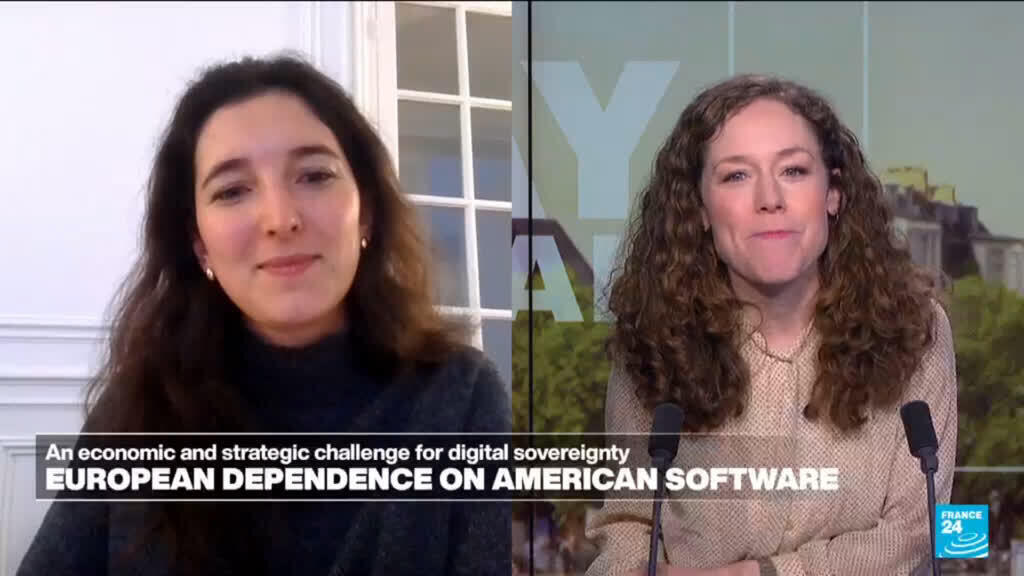
Europe's Digital Dilemma: Reliant on US Tech It Seeks to Curb
Piketty: U.S. Military Moves Signal Weakness, Not Strength

Europe's Tech Edge: It's Not About Giants, But How You Use Them