World Braces for Economic Warfare as Top Global Threat in 2026
World Braces for Economic Warfare as Top Global Threat in 2026 A new report from the World Economic Forum (WEF) has identified "geoeconomic confrontation" as the most severe risk facing the world over the next two years, warning that nations are increasingly weaponizing trade and supply chains in a dangerous new form of conflict [49991]. The WEF's latest Global Risks Report, set to be discussed at its annual meeting in Davos, Switzerland, ranks economic conflict between nations above all other immediate dangers [49991]. The report states that geopolitical rivalry is forcing countries to turn economic tools into weapons, threatening international stability and growth [49991]. This volatile environment is dominated by three interconnected threats: geopolitical rivalry, the rapid spread of misinformation, and severe social and political polarization [49991]. Analysts observe that this shift signals a decisive break from the existing international order, with a global transformation in power now broadly recognized [54213]. Despite this fracturing, a century of globalized trade has created deep economic interdependence that makes most nations reluctant to pick sides in a major power rivalry, shaping 21st-century geopolitics [6971]. The defining global story of 2026, however, will be the U.S. presidential election, which international correspondents say will influence critical issues everywhere, from the war in Ukraine to competition with China and global climate policy [35508]. Every international move by the current or next U.S. administration will be seen through a political lens as allies and rivals prepare for the outcome [35508]. Geoeconomic Warfare Named Top Global Threat for 2026 Trump's Plan to Remake the World Order Begins Globalization Shifts, But It Doesn't Reverse 2026: A World Shaped by Washington
Articles in this Cluster
Global News Digest: November 24, 2025
Global News Briefing: November 14, 2025
Global News Briefing: November 16, 2025
Global News Digest: November 17, 2025
Global News Digest: November 30, 2026
Global News Digest: November 20, 2025
Global News Digest: November 15, 2025
Six Global Flashpoints That Will Define 2026
Your Questions, Answered: Times Reporters Explain War, Economy and Key News
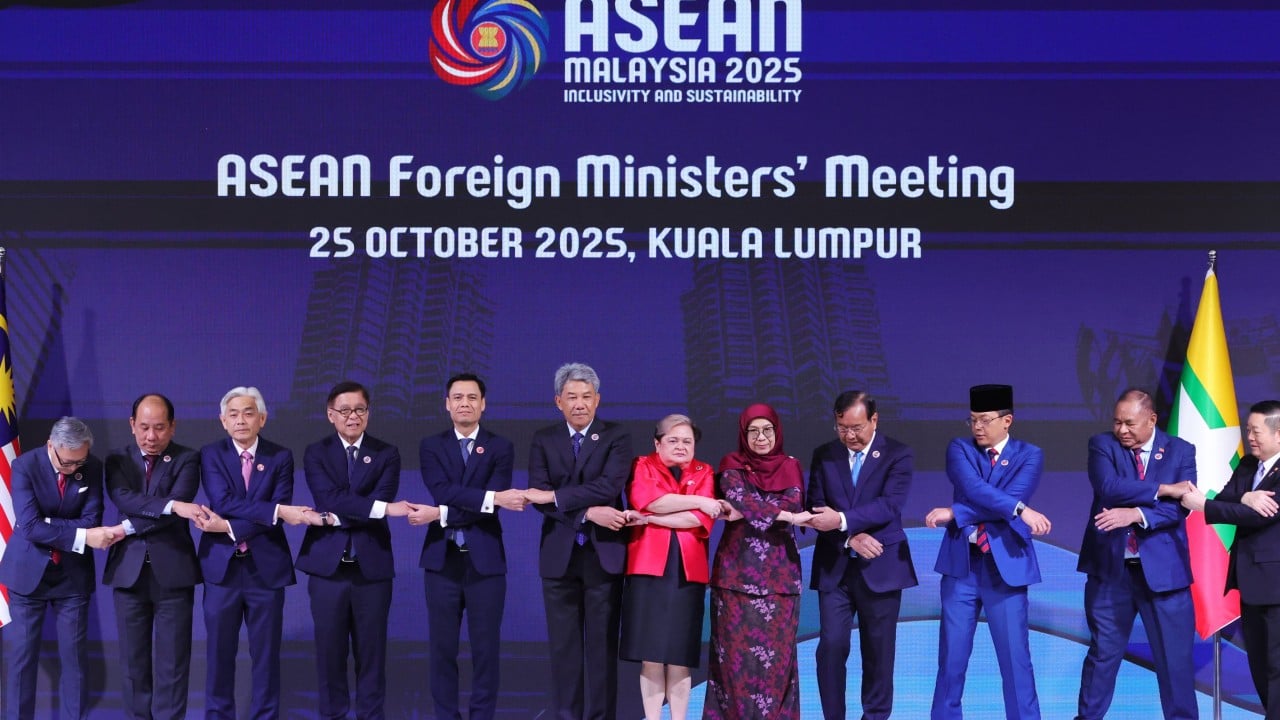
Globalization Shifts, But It Doesn't Reverse
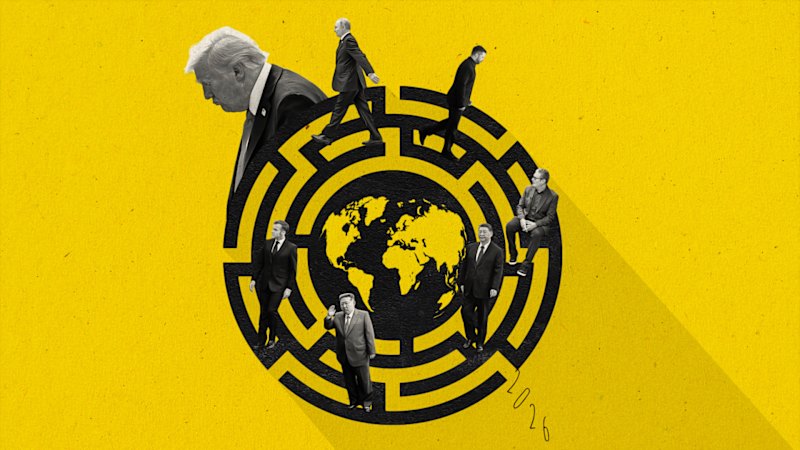
2026: A World Shaped by Washington

Global Headlines: A Look at the World's Top Stories

Geoeconomic Warfare Named Top Global Threat for 2026

Trump's Plan to Remake the World Order Begins
