Young People Worldwide Are Reinventing Ancient Rituals for the Digital Age
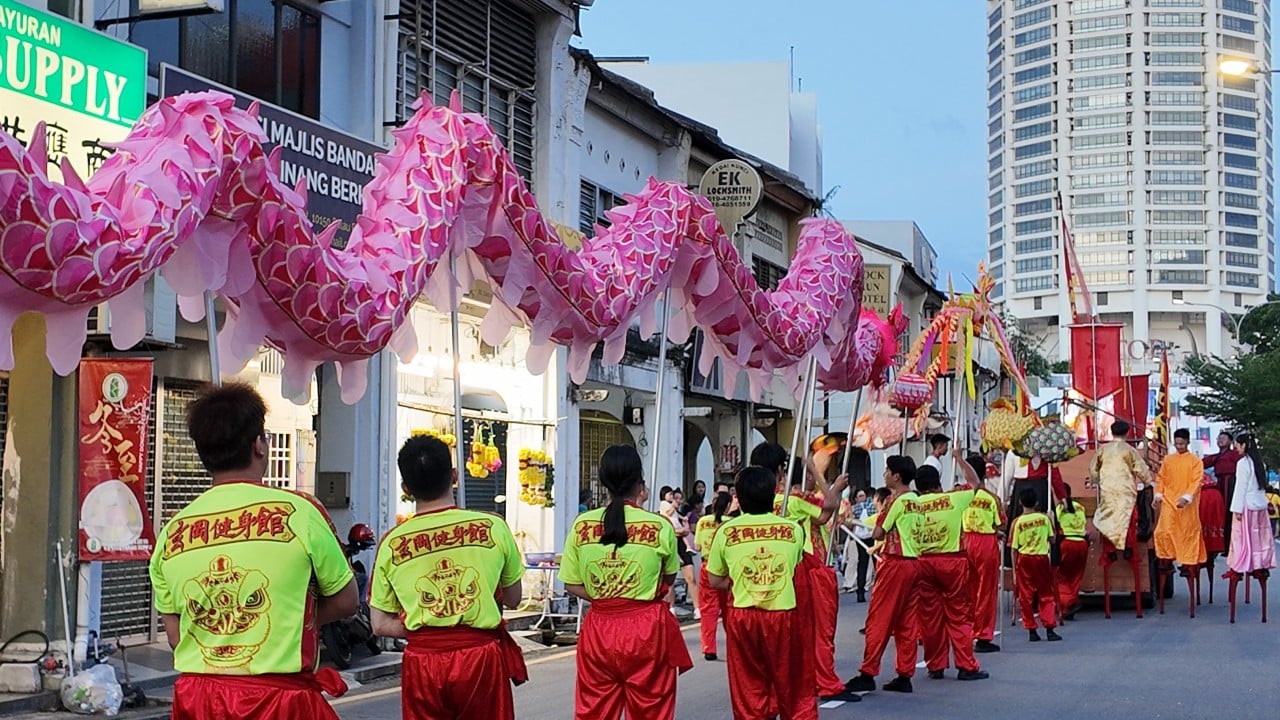
Young People Worldwide Are Reinventing Ancient Rituals for the Digital Age From the Arctic Circle to East Asia, a new generation is breathing modern life into ancient cultural traditions, transforming private rituals into public declarations of identity. This global movement sees young people using digital tools and contemporary creativity to reinterpret heritage, ensuring its survival and relevance. In China, the centuries-old Qingming Festival, a solemn day for tomb-sweeping and honoring ancestors, is being reimagined. Young Chinese are now documenting their family visits on social media, researching genealogies online, and leaving letters or favorite snacks at gravesides. They are blending deep respect with personal expression, turning a private duty into a proud, shared act of cultural identity [123476]. A similar fusion is happening in the remote Arctic region of Sápmi, home to the Indigenous Sámi people. There, a DJ duo named Article 3 is achieving international success by blending traditional Sámi rhythmic singing, known as joik, with modern electronic beats. Their music, born from their remote homeland, meets a growing global appetite for authentic Indigenous culture in contemporary spaces [79759]. This trend extends to celebrations. In Malaysia, the vibrant, century-old Chingay parade—featuring performers who balance towering flagpoles on their chins—is the subject of a joint UNESCO bid with Singapore. The goal is to secure global recognition that will protect and promote the dynamic art form for future generations [31985]. Even in the face of profound loss, cultural practices persist as acts of resilience. In Syria, researchers note that the ancient craft of embroidery has survived years of war, serving as a powerful, living symbol of identity passed down through generations [47200]. Meanwhile, collections of traditional Ukrainian Christmas carols, or *koliadky*, are being shared internationally. These songs, some containing historical messages of resistance, connect ancient melodies to present-day struggles, offering the world a direct experience of a resilient heritage [32337]. Experts observing these phenomena suggest that this is more than nostalgia. It represents a confident, creative adaptation where technology and tradition merge, ensuring that cultural heritage remains a vital, evolving part of community life in the 21st century. Young Chinese Reimagine Ancient Tomb-Sweeping Ritual Remote DJs Rise with Sámi Sound, Fueling Indigenous Pride Malaysia's Chin-Balancing Spectacle Aims for UNESCO Glory Syrian Embroidery Survives War, Defines Identity Ukrainian Christmas Carols: Ancient Sounds of Defiance and Hope
Articles in this Cluster
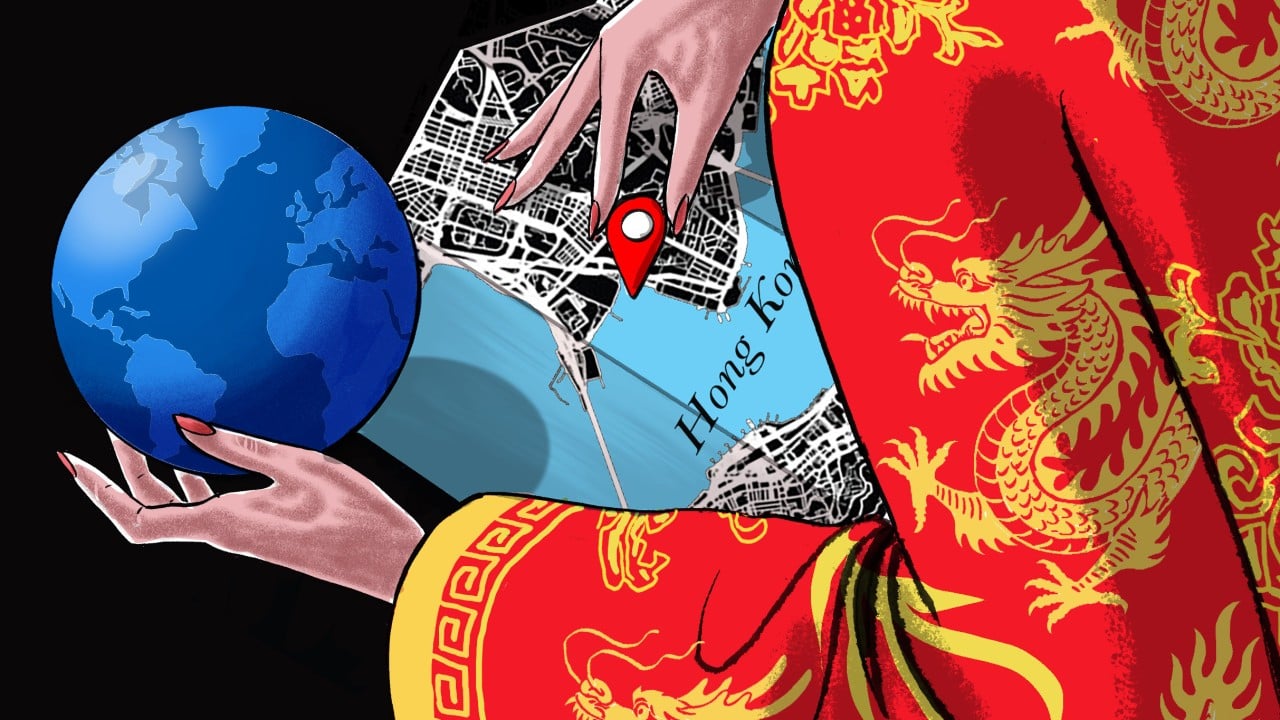
Hong Kong's Next Big Trade: Culture Over Capital?
Korean Wave Washes Over Latin America, Shifting Cultural Tides

China’s Cultural Heritage May Offer an Edge in Guiding AI
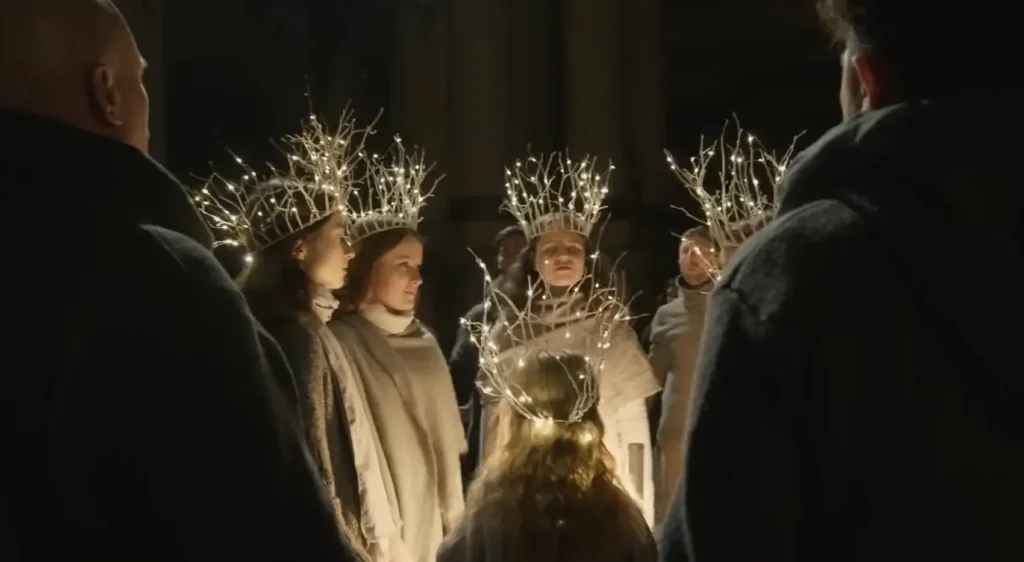
Ukrainian Christmas Carols: Ancient Sounds of Defiance and Hope

Feng Jicai: Chinese New Year is More Than Fireworks
Chinamaxxing: When Your Culture Becomes a Viral Meme

Christmas 2025: Surfing Santas, Dancing Cows, and Global Carols

Ch

Celine Dion's Paris Return: More Than a Concert, A "Cultural Treasure Hunt"
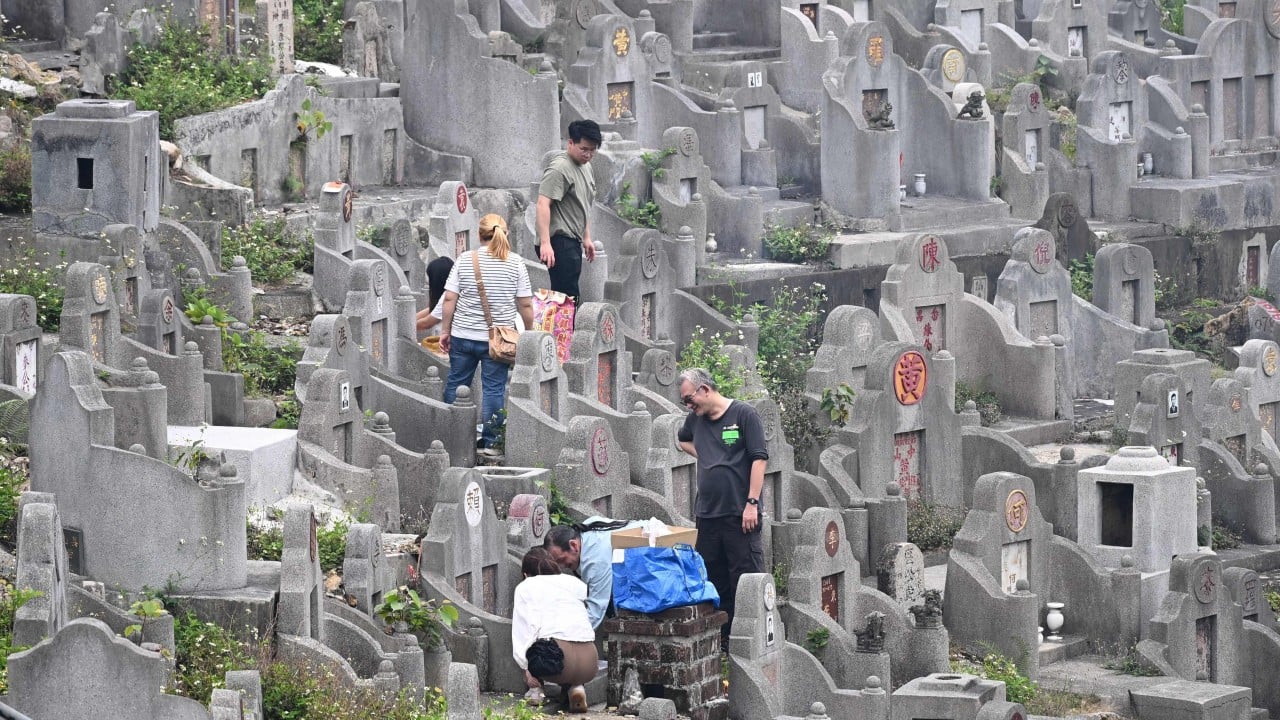
Young Chinese Reimagine Ancient Tomb-Sweeping Ritual
Remote DJs Rise with Sámi Sound, Fueling Indigenous Pride

Syria's North Caucasus Legacy: The Circassians' Enduring Identity
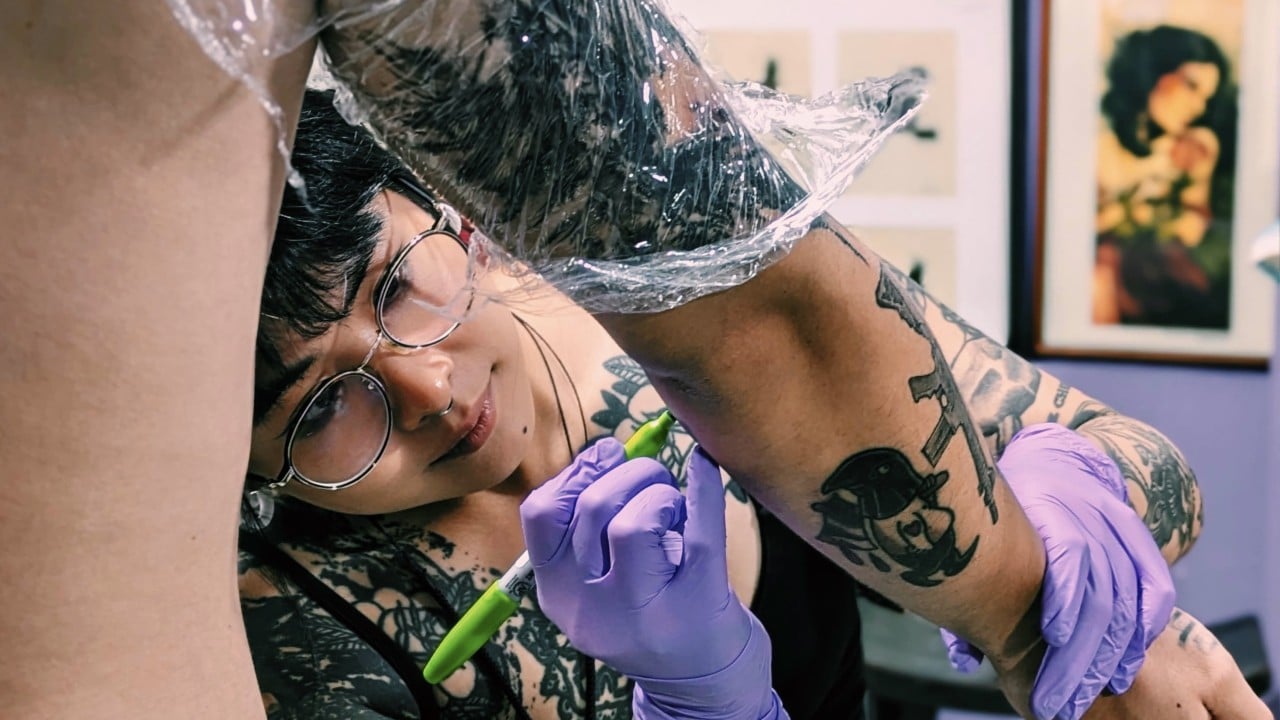
Hidden Stories: From Tattoo Needles to Viral Buttons

Syrian Embroidery Survives War, Defines Identity