U.S. Forces Capture Venezuelan President Maduro in Unprecedented Military Raid
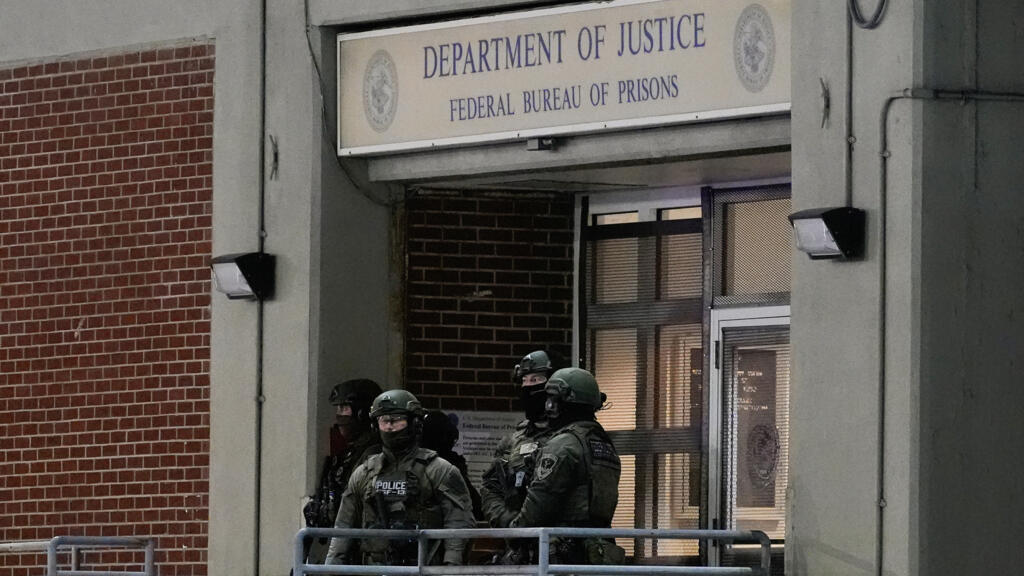
U.S. Forces Capture Venezuelan President Maduro in Unprecedented Military Raid In a dramatic escalation of tensions, United States military forces captured Venezuelan President Nicolás Maduro in a surprise operation in Caracas, sending shockwaves across Latin America and challenging international norms [41460][41880]. The raid, which U.S. officials described as a precision strike, resulted in the detention of Maduro and his wife on Saturday. They were subsequently transported to the United States, where Maduro is scheduled to face drug trafficking charges in a federal court in New York on Monday [41880][41460]. The United Nations Security Council has called an emergency meeting at Venezuela's request to address what many nations are calling a blatant violation of sovereignty [41880]. President Donald Trump announced the capture, stating the U.S. would oversee Venezuela's government but did not provide a timeline for new elections [41460]. In a follow-up statement, Trump declared that "American dominance in the western hemisphere will never be questioned again," reviving fears of a return to a century-old pattern of U.S. intervention in the region [41064][41465]. The operation has exposed a deep political rift among Latin American governments. While nations like Colombia and Brazil have offered cautious support, others, including Mexico and Bolivia, have issued sharp condemnations, labeling the action a dangerous breach of international law [47297]. Analysts note that behind the public divisions, a private fear is spreading among regional leaders who are now forced to question their own vulnerability to similar foreign actions [47126][47297]. The capture also marks a direct challenge to China's expanding economic and diplomatic influence in Latin America, where it has become a leading trade partner and investor for many nations [41460][45747]. Experts warn the aggressive U.S. move is intended to discourage regional governments from deepening ties with Beijing and reasserts a modern version of the Monroe Doctrine, the long-standing U.S. policy of opposing foreign powers in the Americas [41460][45747]. This event represents the first direct U.S. military attack on a South American nation in history, setting a stark new precedent for extraterritorial apprehension and intervention in the region [41064][47297]. U.S. Capture of Venezuela's Maduro Sends Shockwaves Through Latin America U.S. Capture of Maduro Sends Shockwave Through Latin America U.S. Captures Venezuela's Leader, Challenging China's Regional Reach Venezuela's President Seized by U.S., Faces Court in New York Trump Revives US Habit of Ousting Latin American Leaders Trump Orders First Direct US Military Attack on South America
Articles in this Cluster
U.S. Capture of Venezuela's Maduro Sends Shockwaves Through Latin America

Ch
U.S. Capture of Maduro Sends Shockwave Through Latin America
100 Photos Tell the Two-Sided Story of Latin America

UN Human Rights Post Goes to Chile, Not the West
Bad Bunny Makes Brazil Feel 'Latin'
Latin American Patience with U.S. Policy May Have Limits
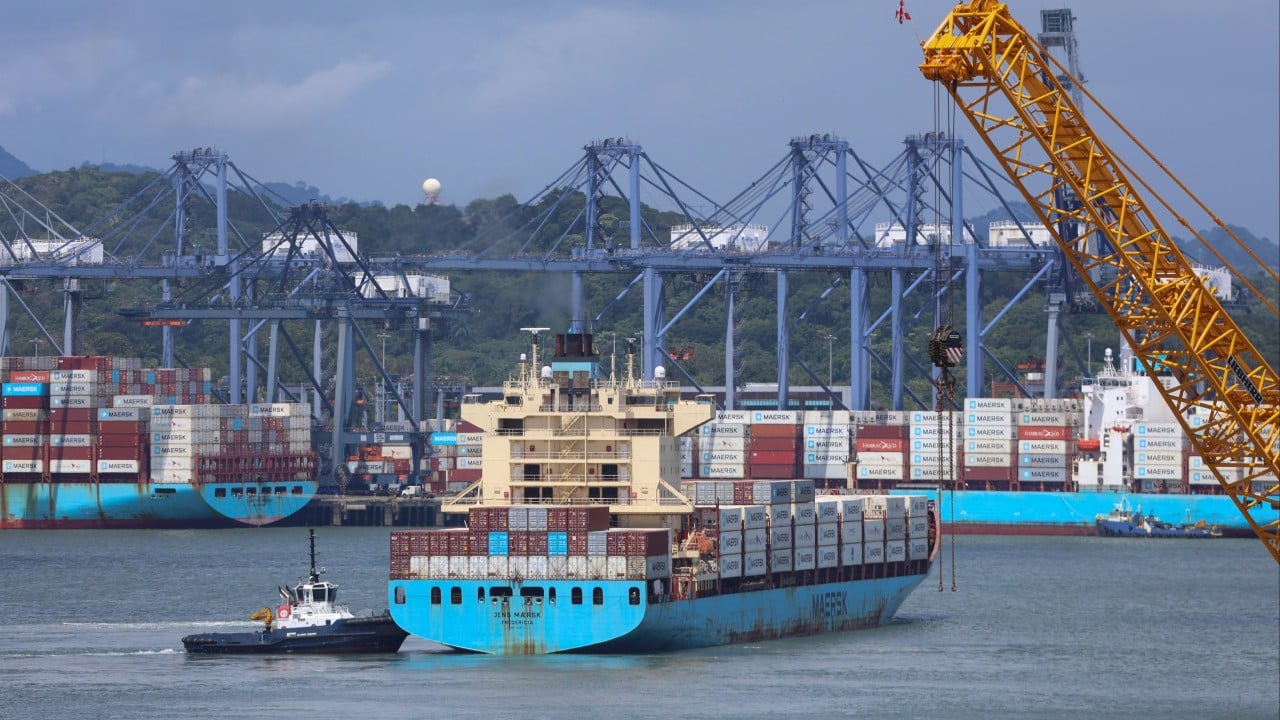
China Vows "No Strings" Aid in Bid for Latin American Influence
Trump Targets Latin America, But China Holds the Lead

Finding Ramadan in the Heart of Lima

U.S. Captures Venezuela's Leader, Challenging China's Regional Reach

Trump Revives US Habit of Ousting Latin American Leaders