How Ancient Traditions Are Becoming Modern Acts of Defiance and Identity
How Ancient Traditions Are Becoming Modern Acts of Defiance and Identity From the snowy Arctic to the sunlit squares of Latin America, communities around the world are turning to their cultural heritage as a vital source of identity and a subtle form of resistance. Far from fading into history, ancient rituals, crafts, and art forms are being actively revived and reinvented, often by younger generations, to assert their place in a globalized world. In China, young people are transforming the centuries-old Qingming Festival, a solemn day for tomb-sweeping and honoring ancestors, into a modern, shared expression of cultural pride [123476]. While maintaining the core rituals, they now document their outings on social media, research family histories online, and leave contemporary offerings like letters and snacks at gravesites, making a private duty a public act of identity [123476]. Similarly, the Chinese Spring Festival is championed not merely as a holiday but as an unbroken "cultural river" and the living heartbeat of Chinese heritage, offering a crucial link to history [84043]. This cultural assertion is also a tool of resilience in conflict zones. In Ukraine, a new collection of Christmas carols, or *koliadky*, connects ancient folk chants to modern-day resistance, carrying subtle messages of national identity [32337]. Scholars note that these songs have long preserved language and culture during periods of oppression, embodying the nation's enduring spirit [32337]. An American scholar argues that Ukraine's focus on defending its unique literature, art, and history resonates more deeply than graphic war imagery, framing the conflict as a fight for cultural truth [122155]. Parallel stories of endurance are found in Syria, where the ancient craft of embroidery is highlighted as a powerful, living symbol of cultural identity that has survived widespread destruction from war [47200]. Meanwhile, the Circassian community in Syria has maintained its unique language and customs for over a century while fully integrating into national society, serving as a model of cultural preservation [36001]. Indigenous groups are also leveraging culture for visibility and pride. A Sámi DJ duo from the Arctic is gaining international success by blending modern electronic beats with traditional Sámi rhythmic singing, known as joik, meeting a growing global appetite for Indigenous culture in music [79759]. The phenomenon even touches viral internet trends, as seen with "Chinamaxxing," where everyday Chinese customs like drinking hot water or wearing house slippers became a short-lived global meme, leaving many of Chinese heritage to question the depth of such fleeting online appreciation [109231]. Together, these movements reveal a global pattern: from ritual and craft to music and digital expression, cultural heritage is being actively mobilized not as a relic, but as a dynamic force for defining community, asserting presence, and quietly pushing back against homogenization and erasure. Young Chinese Reimagine Ancient Tomb-Sweeping Ritual Feng Jicai: Chinese New Year is More Than Fireworks Ukrainian Christmas Carols: Ancient Sounds of Defiance and Hope Why Showing Atrocities Fails: A Scholar's View on Ukraine's Cultural War Syrian Embroidery Survives War, Defines Identity Syria's North Caucasus Legacy: The Circassians' Enduring Identity Remote DJs Rise with Sámi Sound, Fueling Indigenous Pride Chinamaxxing: When Your Culture Becomes a Viral Meme
Articles in this Cluster
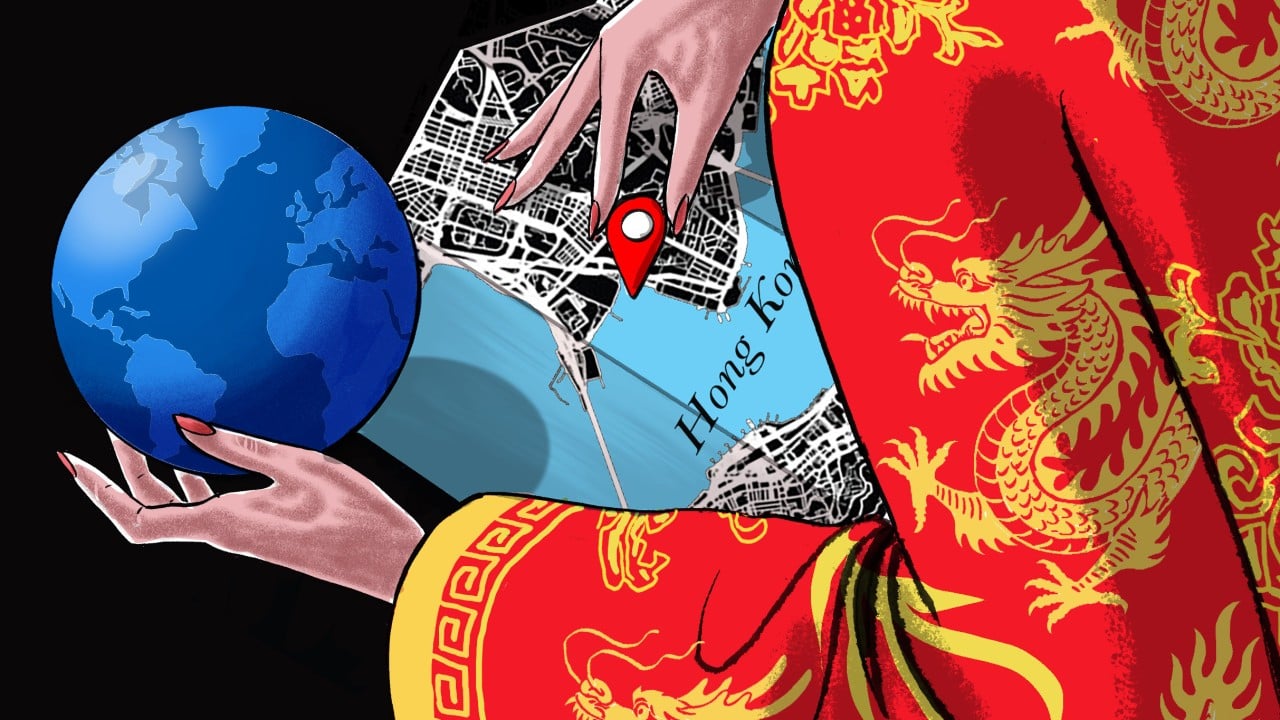
Hong Kong's Next Big Trade: Culture Over Capital?

Young Chinese Reimagine Ancient Tomb-Sweeping Ritual
Korean Wave Washes Over Latin America, Shifting Cultural Tides

China’s Cultural Heritage May Offer an Edge in Guiding AI

Ukrainian Christmas Carols: Ancient Sounds of Defiance and Hope

Feng Jicai: Chinese New Year is More Than Fireworks
Chinamaxxing: When Your Culture Becomes a Viral Meme

Christmas 2025: Surfing Santas, Dancing Cows, and Global Carols

Ch

Celine Dion's Paris Return: More Than a Concert, A "Cultural Treasure Hunt"
Remote DJs Rise with Sámi Sound, Fueling Indigenous Pride

Syria's North Caucasus Legacy: The Circassians' Enduring Identity

Hidden Stories: From Tattoo Needles to Viral Buttons

Why Showing Atrocities Fails: A Scholar's View on Ukraine's Cultural War
