How Ancient Traditions Are Becoming Modern Acts of Defiance and Identity
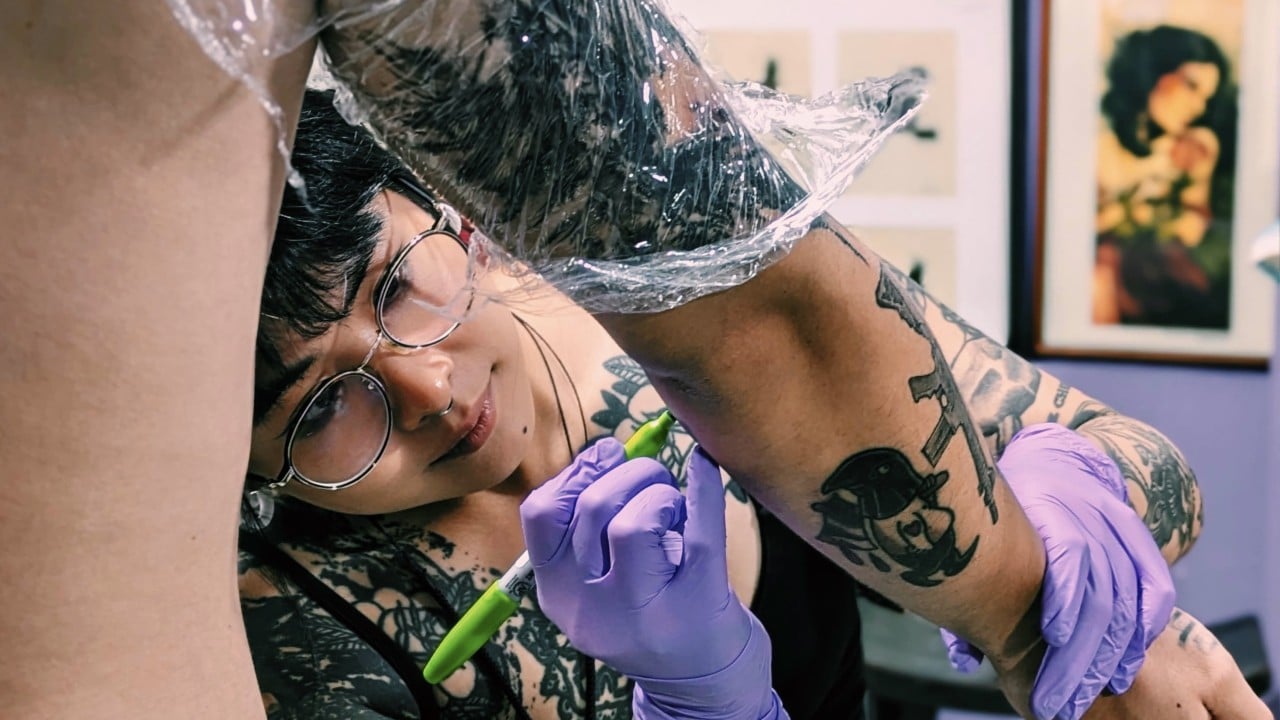
How Ancient Traditions Are Becoming Modern Acts of Defiance and Identity From the Arctic to Arizona, and from Ukraine to China, communities around the world are turning to their deepest cultural roots, not merely to remember the past, but to assert their identity in the present. Faced with the pressures of globalization, conflict, and digital homogenization, people are revitalizing ancient rituals, songs, and art forms, transforming them into powerful, modern statements of resilience and self-definition. In China, young people are reimagining the centuries-old Qingming tomb-sweeping festival. While still honoring ancestors with traditional rituals, they now document their visits on social media, research family histories online, and leave modern offerings like letters and snacks at gravesides. This shift turns a private duty into a proud, creative act of shared cultural identity [123476]. Similarly, writer Feng Jicai emphasizes that the Chinese Spring Festival is far more than fireworks and feasts; it is the unbroken "cultural river" and living heartbeat of Chinese heritage, providing a vital link to history in the modern age [84043]. This cultural fortification is starkly evident in Ukraine, where ancient Christmas carols, or *koliadky*, are being celebrated as sounds of defiance and hope. A new collection highlights songs that have preserved language and national identity through centuries of oppression, connecting historic folk chants to the current conflict. Scholars argue that Ukraine’s focus on defending its unique literature, art, and history resonates more deeply than graphic war imagery, framing the struggle as a fight for cultural truth and the right to exist [32337][122155]. Indigenous communities are also leveraging culture as a tool of pride and continuity. In the remote Arctic, a Sámi DJ duo is gaining international acclaim by blending modern electronic beats with traditional *joik* singing. Their success feeds a growing global appetite for Indigenous sounds, proving that their heritage is a unique advantage, not a barrier [79759]. Thousands of miles away, a viral video shows a nine-month-old baby in Arizona enthusiastically attempting the Māori haka. The powerful dance, performed to show strength and mark important occasions, serves as a living connection to heritage, taken up by the newest generation [122617]. Even in the realm of fashion and daily life, cultural symbols are being reclaimed. In Hong Kong, women tattoo artists are channeling traditional Chinese painting, calligraphy, and Buddhist philosophy into their work, creating a poetic form of self-expression [44500]. However, this resurgence can sometimes clash with fleeting online trends, as seen with "Chinamaxxing," where core Chinese habits became a viral meme. For many, watching lifelong customs be adopted as short-lived internet content is a strange and unsettling experience [109231]. Together, these movements reveal a global pattern: in an era of uncertainty, people are digging into their cultural foundations, not for nostalgia, but to forge a resilient identity for the future. Young Chinese Reimagine Ancient Tomb-Sweeping Ritual Feng Jicai: Chinese New Year is More Than Fireworks Ukrainian Christmas Carols: Ancient Sounds of Defiance and Hope Why Showing Atrocities Fails: A Scholar's View on Ukraine's Cultural War Remote DJs Rise with Sámi Sound, Fueling Indigenous Pride Arizona Baby's First Words? A Haka. Hidden Stories: From Tattoo Needles to Viral Buttons Chinamaxxing: When Your Culture Becomes a Viral Meme
Articles in this Cluster

Young Chinese Reimagine Ancient Tomb-Sweeping Ritual
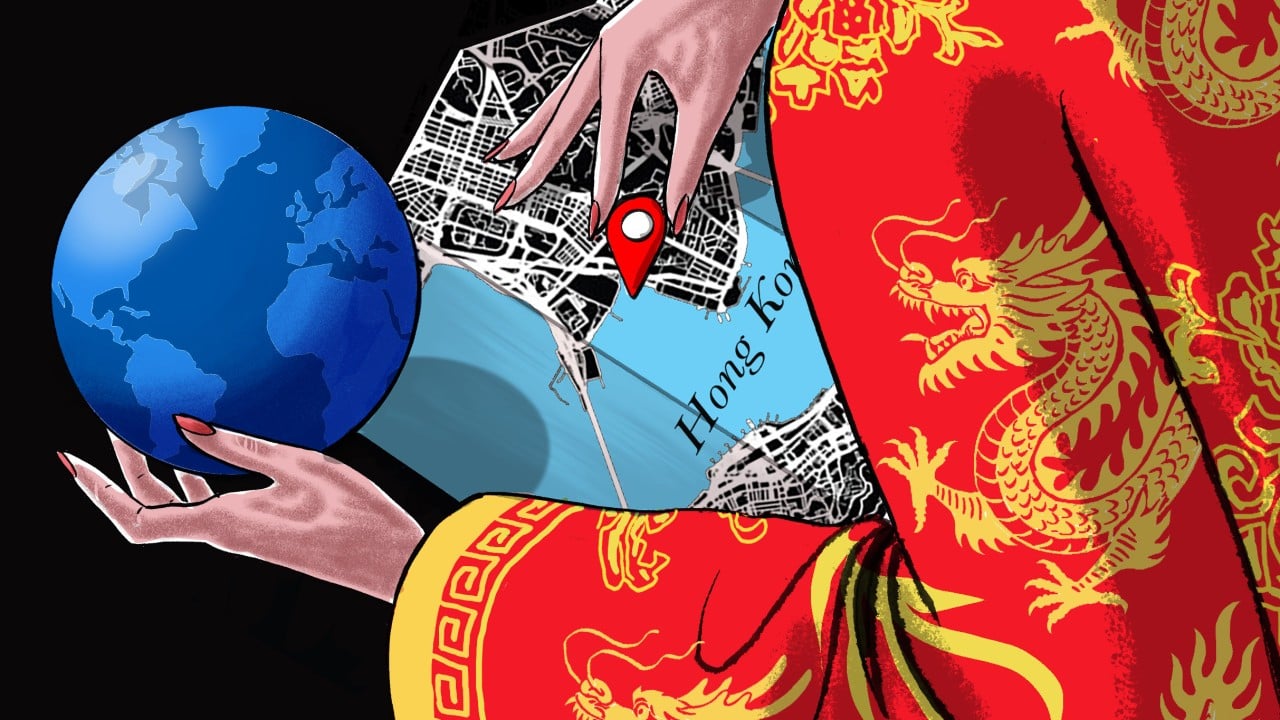
Hong Kong's Next Big Trade: Culture Over Capital?
Korean Wave Washes Over Latin America, Shifting Cultural Tides

China’s Cultural Heritage May Offer an Edge in Guiding AI
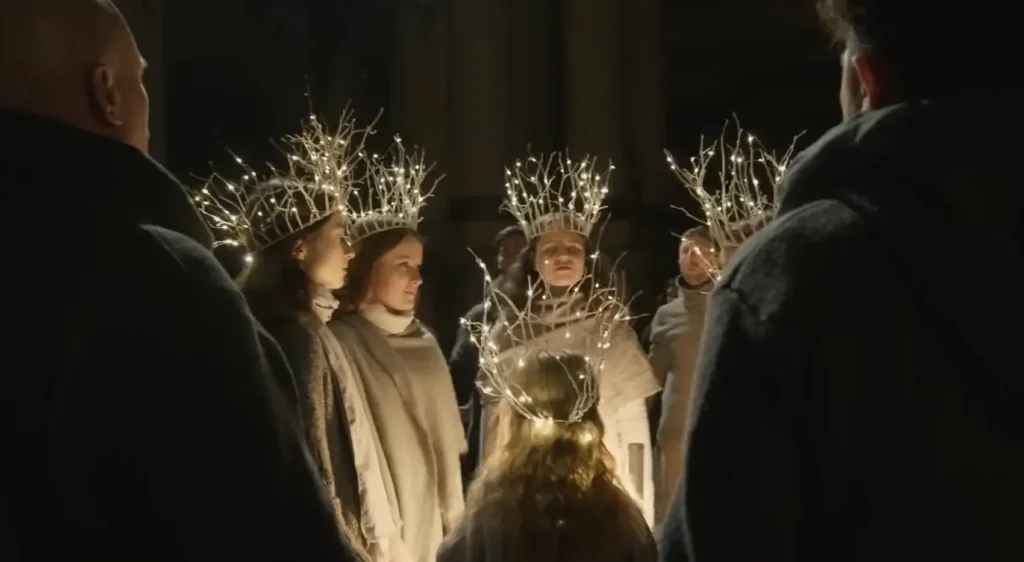
Ukrainian Christmas Carols: Ancient Sounds of Defiance and Hope

Feng Jicai: Chinese New Year is More Than Fireworks

Arizona Baby's First Words? A Haka.
Chinamaxxing: When Your Culture Becomes a Viral Meme

Christmas 2025: Surfing Santas, Dancing Cows, and Global Carols
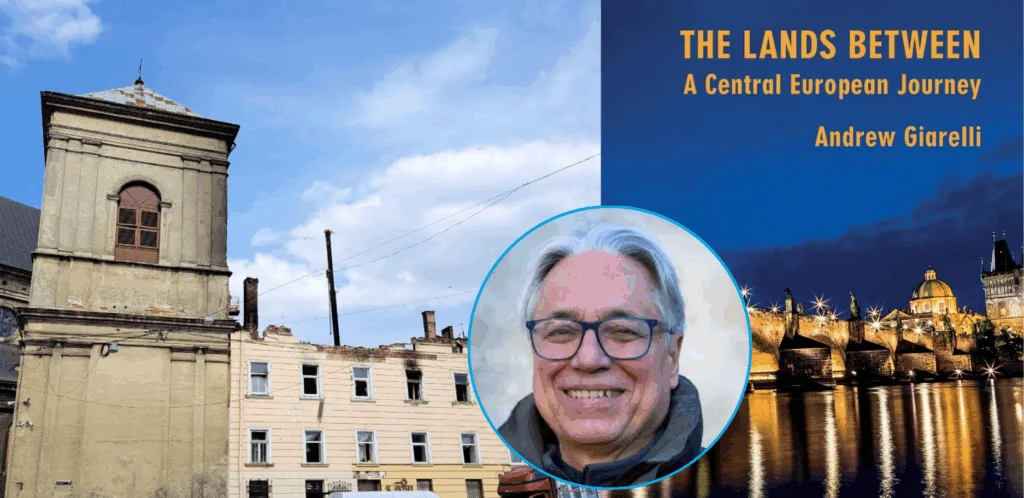
Why Showing Atrocities Fails: A Scholar's View on Ukraine's Cultural War

Ch

Celine Dion's Paris Return: More Than a Concert, A "Cultural Treasure Hunt"
Remote DJs Rise with Sámi Sound, Fueling Indigenous Pride

Syria's North Caucasus Legacy: The Circassians' Enduring Identity