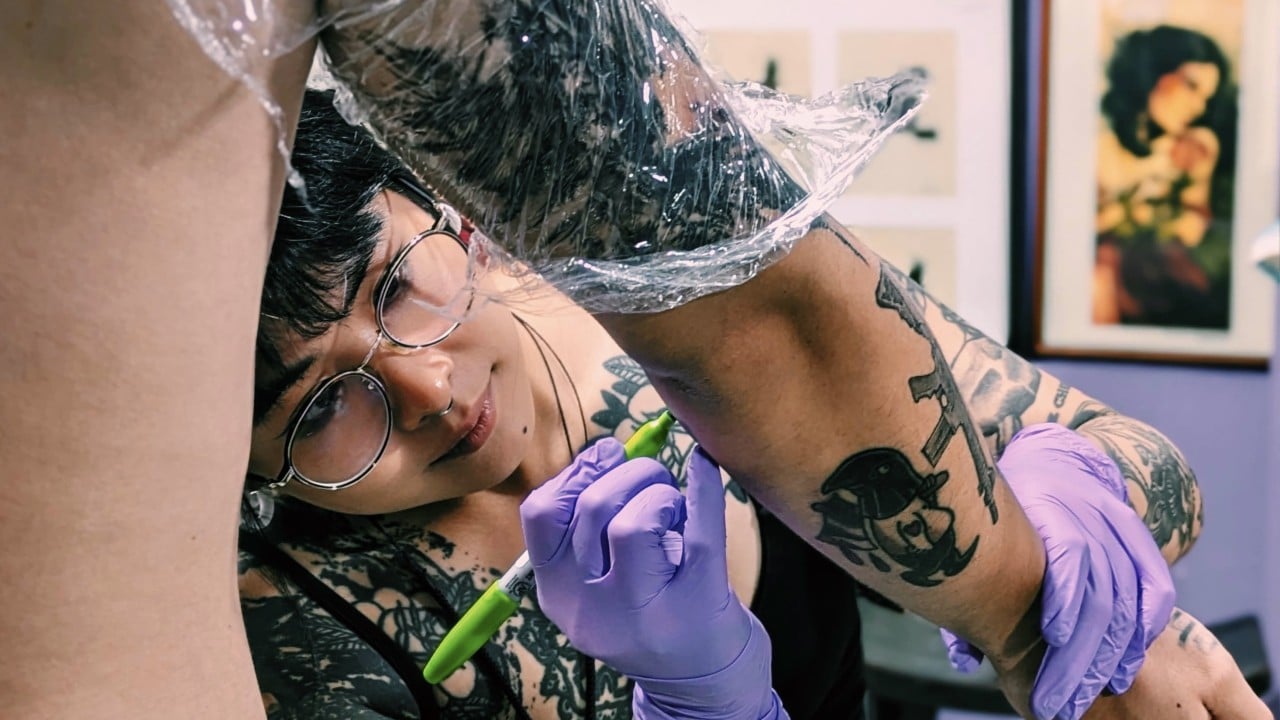
Young People Worldwide Are Reinventing Old Traditions to Fuel Modern Identity
Young People Worldwide Are Reinventing Old Traditions to Fuel Modern Identity From the Arctic to Arizona, ancient cultural practices are being revitalized by a new generation, who are blending heritage with modern life to forge powerful, personal identities. Far from fading into history, traditions like the Māori haka, Sámi singing, and Chinese tomb-sweeping are finding fresh relevance as tools for connection, pride, and resistance in a globalized world. In New Zealand, the haka—a traditional Māori dance of challenge and welcome—is being taught from infancy. A viral video shows a nine-month-old boy in Arizona, captivated by his family’s performance, attempting the vigorous movements and chants from his playmat [122617]. The scene illustrates how cultural roots are being nurtured actively within diasporas, transforming ritual into a living, breathable inheritance. Similarly, Indigenous Sámi artists in the remote Arctic are turning their heritage into a contemporary advantage. The DJ duo Article 3, based in Norway’s far north, blends modern electronic beats with *joik*, the traditional rhythmic singing of the Sámi people. Their success meets a growing global appetite for authentic Indigenous sounds in club culture, proving that remote locations can be centers of cultural innovation [79759]. In China, young people are reshaping the solemn Qingming Festival, a centuries-old day for honoring ancestors. While maintaining core rituals like tomb-sweeping, they are incorporating social media, online family history research, and leaving modern letters or snacks at gravesides. This shift transforms a private, dutiful act into a shared, creative expression of cultural confidence [123476]. This cultural reinvention also serves as a form of quiet resilience. In Ukraine, ancient Christmas carols, or *koliadky*, are being curated into playlists that connect centuries-old folk chants to the present. Scholars note these songs have long preserved language and identity during periods of oppression, and today they carry subtle messages of national endurance, offering a cultural front in the nation’s struggle [32337]. Even viral internet trends are prompting deeper reflection on cultural ownership. The "Chinamaxxing" phenomenon, where people adopted Chinese habits like drinking hot water or wearing house slippers, became a massive meme. For many of Chinese heritage, watching lifelong customs become fleeting online content sparked complex questions about appreciation versus commodification [109231]. Across these examples, a common thread emerges: cultural expression is not a relic but a dynamic resource. Young people are not merely preserving traditions; they are adapting them, ensuring they remain vital, personal, and meaningful in a rapidly changing world. Arizona Baby's First Words? A Haka. Remote DJs Rise with Sámi Sound, Fueling Indigenous Pride Young Chinese Reimagine Ancient Tomb-Sweeping Ritual Ukrainian Christmas Carols: Ancient Sounds of Defiance and Hope Chinamaxxing: When Your Culture Becomes a Viral Meme
Articles in this Cluster
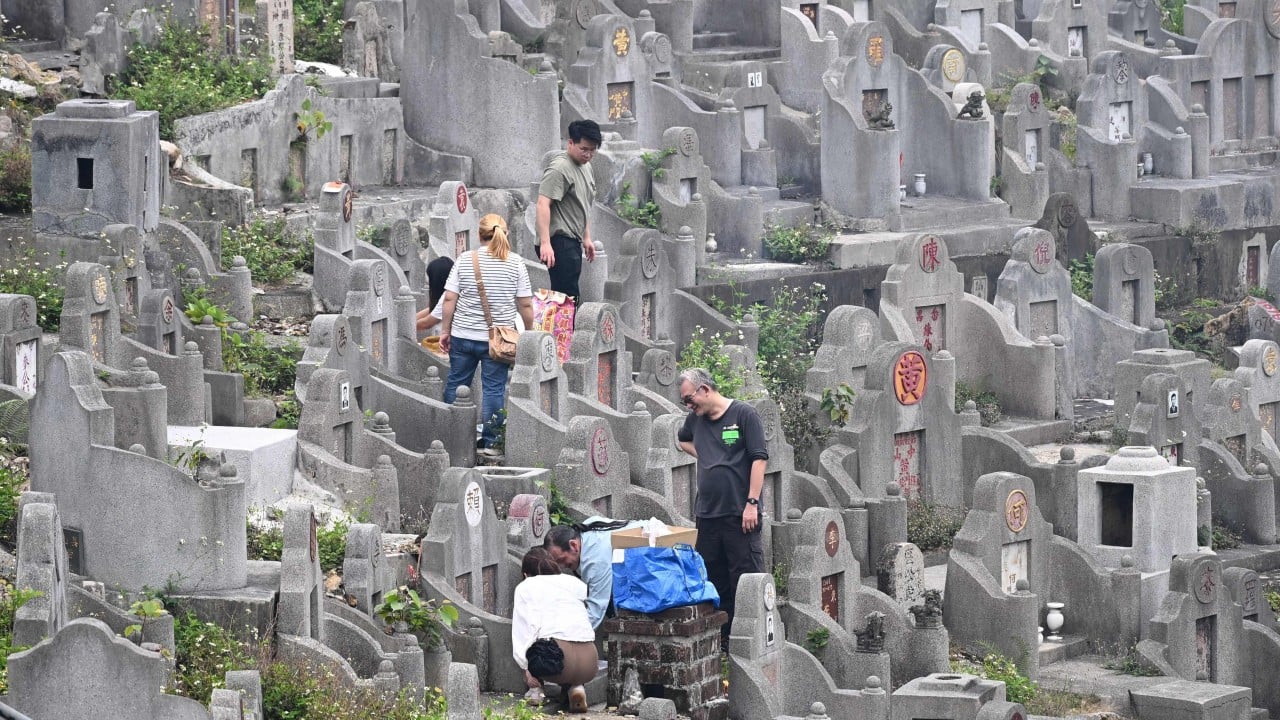
Young Chinese Reimagine Ancient Tomb-Sweeping Ritual
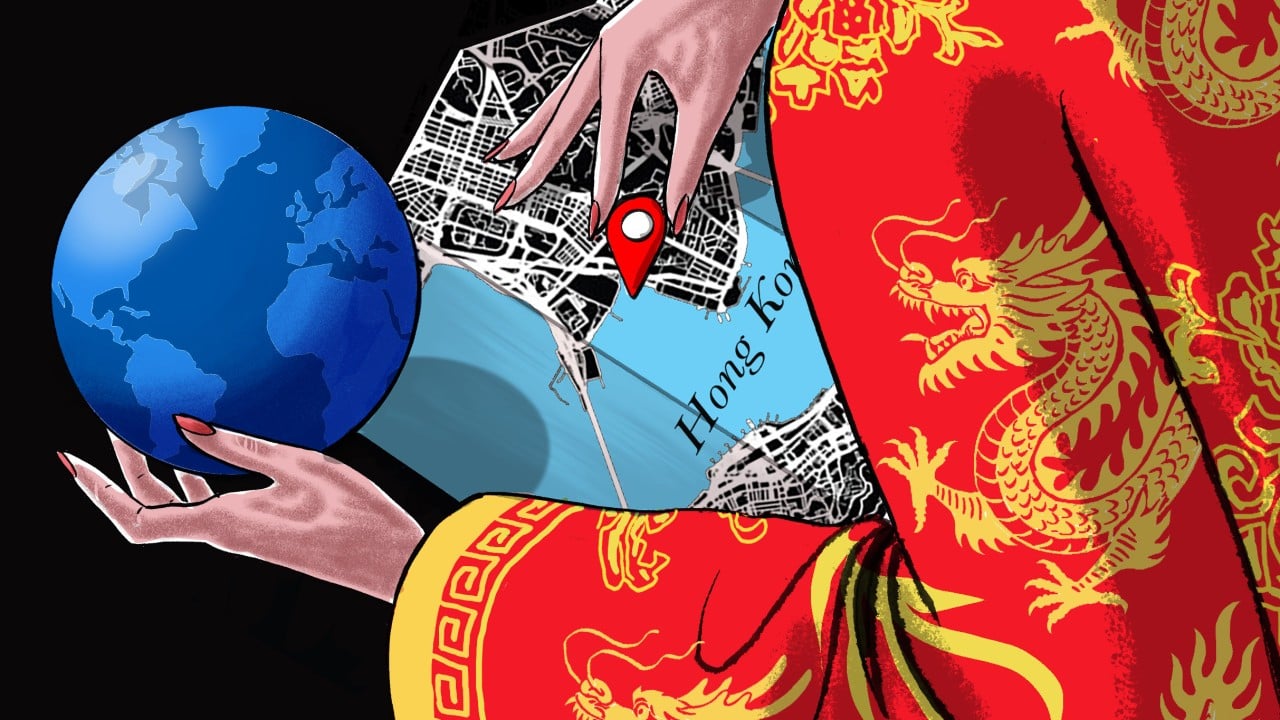
Hong Kong's Next Big Trade: Culture Over Capital?

Arizona Baby's First Words? A Haka.
Why Showing Atrocities Fails: A Scholar's View on Ukraine's Cultural War
Korean Wave Washes Over Latin America, Shifting Cultural Tides

China’s Cultural Heritage May Offer an Edge in Guiding AI
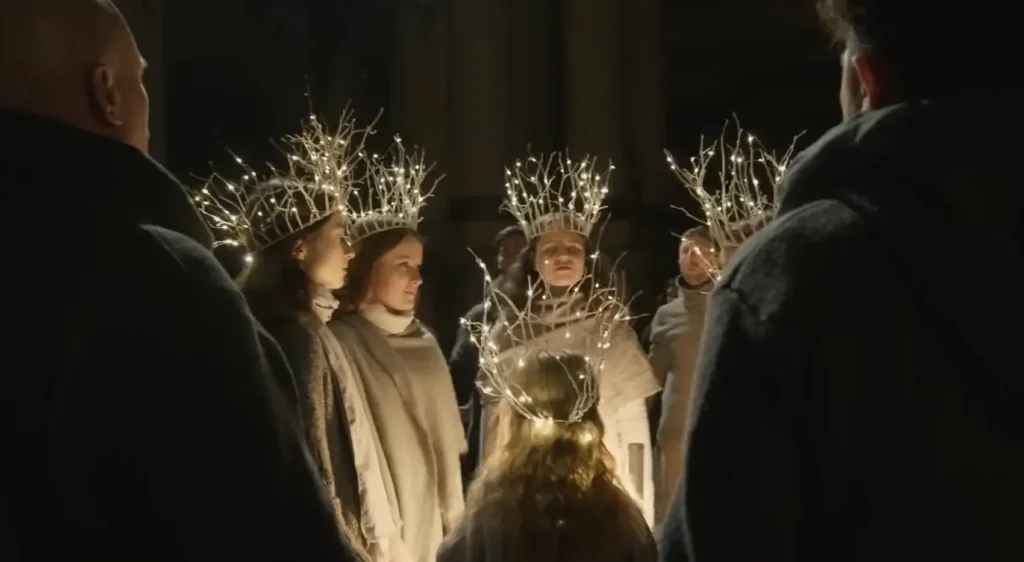
Ukrainian Christmas Carols: Ancient Sounds of Defiance and Hope

Feng Jicai: Chinese New Year is More Than Fireworks
Chinamaxxing: When Your Culture Becomes a Viral Meme

Christmas 2025: Surfing Santas, Dancing Cows, and Global Carols

Ch

Celine Dion's Paris Return: More Than a Concert, A "Cultural Treasure Hunt"
Remote DJs Rise with Sámi Sound, Fueling Indigenous Pride

Syria's North Caucasus Legacy: The Circassians' Enduring Identity