Europe's Green Energy Pivot Pays Off as U.S. Doubles Down on Fossil Fuels
Europe's Green Energy Pivot Pays Off as U.S. Doubles Down on Fossil Fuels A stark energy divide is opening between Europe and the United States, with the European Union's aggressive push for renewables now delivering tangible economic benefits while American policy remains anchored to fossil fuels [88037]. The EU's focus on energy efficiency and low-cost wind and solar power is generating significant savings and bolstering the bloc's energy independence [88037]. This strategic shift comes as global conflicts repeatedly expose the dangers of fossil fuel dependence, sending energy prices soaring and threatening economic stability worldwide [122799]. The current turmoil underscores what United Nations climate chief Simon Stiell called the destruction of energy security by global fossil fuel dependency, which "creates subservience and rising costs" [122799]. Meanwhile, the U.S. continues to prioritize oil and gas development, a strategy focused on traditional energy security and domestic production [88037]. The transatlantic split highlights fundamentally different approaches to achieving energy stability and economic growth. Europe's growing confidence in its green transition exists alongside deep anxieties over its broader strategic vulnerabilities. A new analysis warns the European Union is dangerously unprepared for global power shifts, having relied too heavily on regulation instead of building concrete economic and military power [69895]. This has led to a critical dependence that both the United States and China have exploited, leaving Europe's global relevance in question [69895]. This dependence is particularly acute in the digital sphere, where European threats to regulate U.S. tech giants clash with the bloc's deep reliance on their cloud computing, software, and payment systems [58167]. The struggle for "digital sovereignty"—control over its own digital infrastructure—remains a major challenge [58167]. The geopolitical landscape is further complicated by a perceived decline in reliable American leadership, pushing Europe toward building its own alliances. Geopolitics expert Manlio Graziano argues the U.S. has stopped acting as the "leader of the free world," creating an era of strategic incoherence that forces Europe into an uneasy and uncertain partnership [122895]. Economist Thomas Piketty interprets recent U.S. military actions as an "admission of weakness," arguing they signal a country trying to project power amid internal challenges [95616]. In response, the EU is actively constructing a "hedging alliance" with Indo-Pacific nations, aiming to reduce reliance on any single global power by integrating defense industries and coordinating economic policy [123271]. However, the cost of true strategic independence remains prohibitive. Outgoing Dutch Prime Minister Mark Rutte estimated that full European military autonomy from the U.S. could require spending up to €1 trillion, or 10% of the bloc's economic output [60363]. U.S. Doubles Down on Fossil Fuels as Europe Cashes In on Green Energy Fossil Fuel Giants Profit as War Exposes a Dangerous Global Dependency Trump Era Demands "Political Adults" in EU, Analysts Warn Europe's Digital Dilemma: Reliant on US Tech It Seeks to Curb US Leadership Fades: Europe's Uneasy Alliance Enters New Era Piketty: U.S. Military Moves Signal Weakness, Not Strength EU Seeks New Allies to Counter U.S.-China Rivalry Europe's €1 Trillion Question: Can It Buy Military Independence?
Articles in this Cluster

Orban's Re-Election Gamble: Russian Gas vs. Cheap Bills
EU Seeks New Allies to Counter U.S.-China Rivalry
US Tech Giants and White House Ally to Pressure EU, Report Warns

EU Warns: Energy Bailouts Could Trigger New Fiscal Crisis

Belgian Minister: U.S. Waging "Ideological Attack" on Europe

Europe's €1 Trillion Question: Can It Buy Military Independence?

US Leadership Fades: Europe's Uneasy Alliance Enters New Era
Fossil Fuel Giants Profit as War Exposes a Dangerous Global Dependency
U.S. Doubles Down on Fossil Fuels as Europe Cashes In on Green Energy

Trump Era Demands "Political Adults" in EU, Analysts Warn
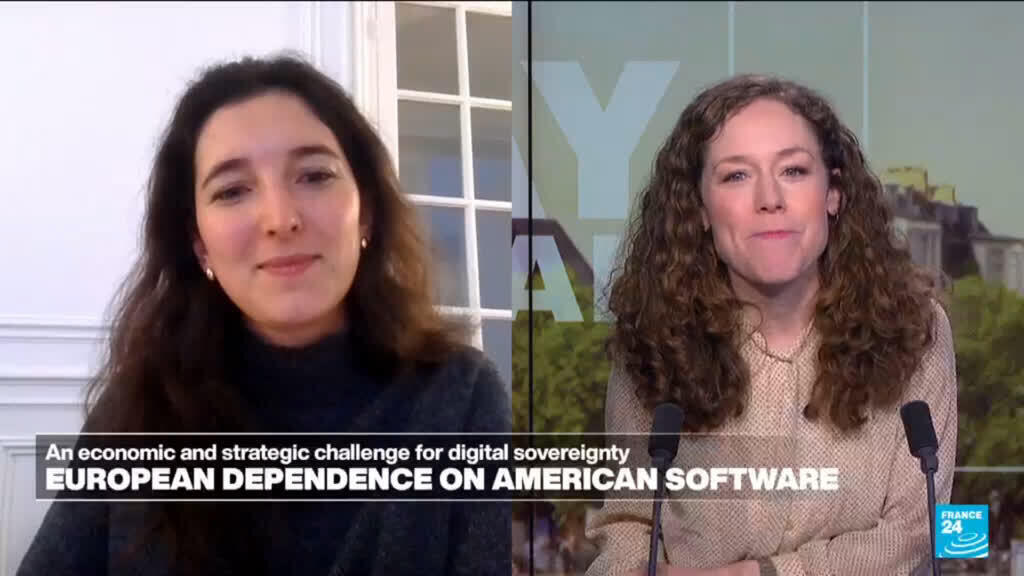
Europe's Digital Dilemma: Reliant on US Tech It Seeks to Curb
Piketty: U.S. Military Moves Signal Weakness, Not Strength

Europe's Tech Edge: It's Not About Giants, But How You Use Them