Europe's Green Energy Pivot Pays Off as U.S. Doubles Down on Fossil Fuels
Europe's Green Energy Pivot Pays Off as U.S. Doubles Down on Fossil Fuels A stark energy divide is opening between the United States and Europe, with the European Union's aggressive push toward renewables now generating significant economic savings and greater energy independence. While American policy continues to emphasize oil and gas production, Europe is capitalizing on its investments in wind, solar, and efficiency [88037]. The contrast comes as global conflict has again exposed the dangers of fossil fuel dependence, sending energy prices soaring and benefiting the world's largest polluting companies [122799]. European households and industries have been shielded from the worst of this volatility by the growing share of low-cost renewable power in their energy mix [88037]. This strategic shift is not without fiscal risks. The European Commission has warned member states that their massive emergency spending to protect consumers from high prices could trigger a new debt crisis if not carefully targeted [121783]. Officials are urging governments to make support temporary and focused on the most vulnerable while encouraging permanent energy savings [121783]. The EU's green transition is also a competitive gambit. Analysts frame it not merely as ecological policy but as Europe's bid for technological and industrial dominance through "green capitalism" [88037]. This approach leverages strict regulations and high standards to set global norms for how advanced technology is integrated into industry and society [53007]. However, Europe's position remains constrained by its reliance on American security and digital technology. Experts warn that deep dependence on U.S. tech firms for cloud computing, software, and digital infrastructure makes it difficult for Europe to enforce its own regulations or achieve true "digital sovereignty" [58167]. Simultaneously, the potential for a more unilateral U.S. foreign policy raises questions about the stability of the security alliance Europe still needs [69895]. The result is an uneasy balancing act. Europe is advancing a model that delivers tangible economic benefits from clean energy [88037], but it must navigate this path while managing fiscal pressures [121783] and dependencies that limit its strategic autonomy [58167][69895]. U.S. Doubles Down on Fossil Fuels as Europe Cashes In on Green Energy Fossil Fuel Giants Profit as War Exposes a Dangerous Global Dependency EU Warns: Energy Bailouts Could Trigger New Fiscal Crisis Europe's Tech Edge: It's Not About Giants, But How You Use Them Europe's Digital Dilemma: Reliant on US Tech It Seeks to Curb Trump Era Demands "Political Adults" in EU, Analysts Warn
Articles in this Cluster

US Leadership Fades: Europe's Uneasy Alliance Enters New Era
Fossil Fuel Giants Profit as War Exposes a Dangerous Global Dependency

EU Warns: Energy Bailouts Could Trigger New Fiscal Crisis
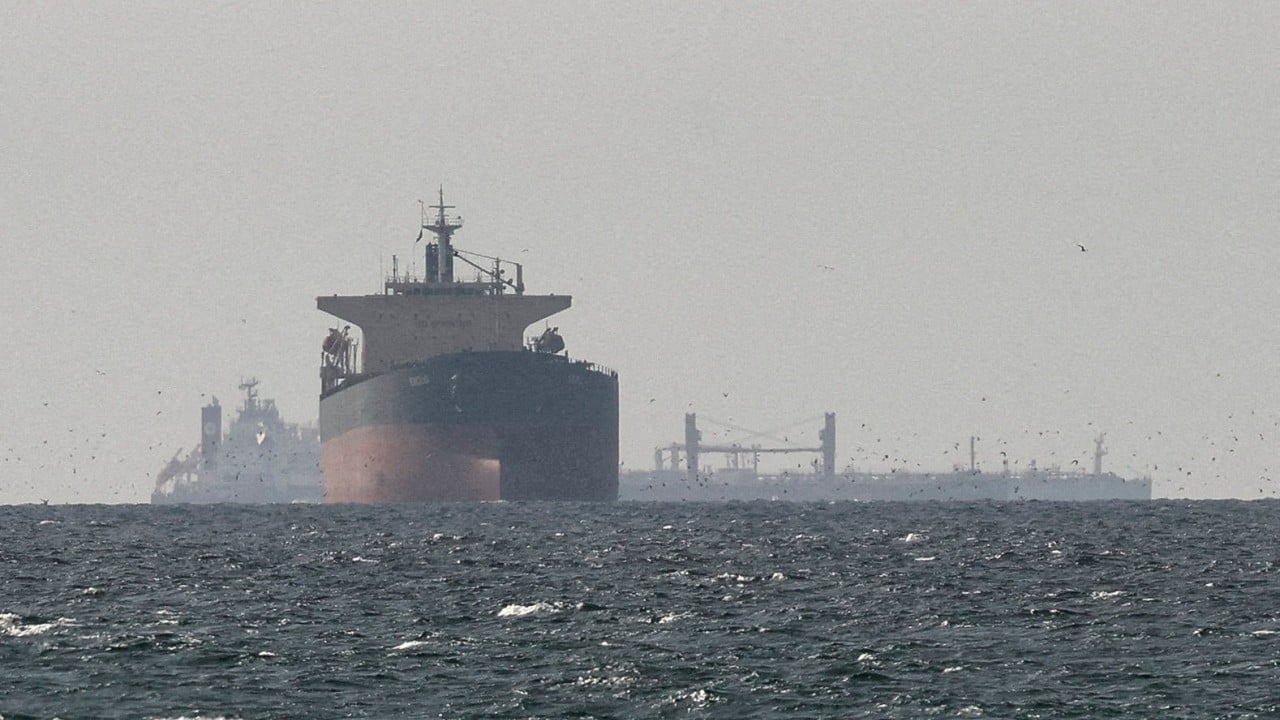
Europe's Iran Diplomacy: Managing Influence or Irrelevance?
US Tech Giants and White House Ally to Pressure EU, Report Warns

Belgian Minister: U.S. Waging "Ideological Attack" on Europe

Europe's €1 Trillion Question: Can It Buy Military Independence?
U.S. Doubles Down on Fossil Fuels as Europe Cashes In on Green Energy

Trump Era Demands "Political Adults" in EU, Analysts Warn
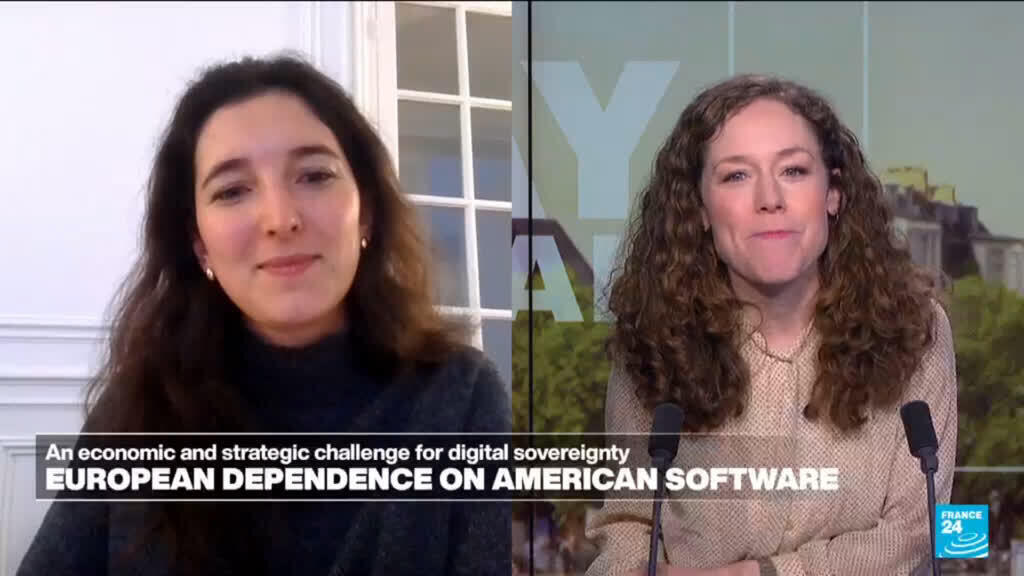
Europe's Digital Dilemma: Reliant on US Tech It Seeks to Curb
Piketty: U.S. Military Moves Signal Weakness, Not Strength

Europe's Tech Edge: It's Not About Giants, But How You Use Them