World Braces for Economic Warfare as Top Global Threat in 2026
World Braces for Economic Warfare as Top Global Threat in 2026 A new report from the World Economic Forum (WEF) has identified economic conflict between nations as the most severe and immediate risk facing the global community in the next two years [49991]. The warning highlights a world where geopolitical rivalry is increasingly fought with trade sanctions, weaponized supply chains, and investment restrictions, a practice termed "geoeconomic confrontation" [49991]. According to the WEF's latest Global Risks Report, this form of economic warfare has now surpassed all other dangers, including traditional military conflicts, on the short-term threat list [49991]. The report states that geopolitical competition is forcing countries to turn economic tools into weapons, creating a volatile environment that threatens international stability and growth [49991]. This turbulent economic landscape is expected to define the critical political year of 2026, which will see major elections in the United States and across Europe [42503]. Analysts predict the U.S. presidential race will be the defining global story, influencing international policy on everything from the war in Ukraine to competition with China and climate action [35508]. Every foreign policy move by Washington will be viewed through the lens of domestic politics, causing allies and rivals alike to prepare for potential shifts in the world order [35508]. The WEF report notes that the risk of geoeconomic confrontation is tightly linked to two other top threats: the rapid spread of misinformation and severe social and political polarization [49991]. Together, these interconnected forces are creating a fragmented and unstable global environment [49991]. Despite this trend toward confrontation, deep economic interdependence built over decades of globalization continues to shape international relations [6971]. This integration has made most nations reluctant to fully choose sides in a major power rivalry, as their economies remain closely linked [6971]. The dynamics of 21st-century geopolitics are now being shaped by the tension between this widespread interdependence and the rising push to weaponize it [49991][6971]. The findings will be a central topic at the WEF's annual meeting in Davos, Switzerland, next week as global leaders grapple with the escalating risk of economic conflict [49991]. Geoeconomic Warfare Named Top Global Threat for 2026 **Six Global Flashpoints That Will Define 2026 2026: A World Shaped by Washington Globalization Shifts, But It Doesn't Reverse
Articles in this Cluster
Global News Digest: November 24, 2025
Global News Briefing: November 14, 2025
Global News Briefing: November 16, 2025
Global News Digest: November 17, 2025
Global News Digest: November 30, 2026
Global News Digest: November 20, 2025
Global News Digest: November 15, 2025
Six Global Flashpoints That Will Define 2026
Your Questions, Answered: Times Reporters Explain War, Economy and Key News
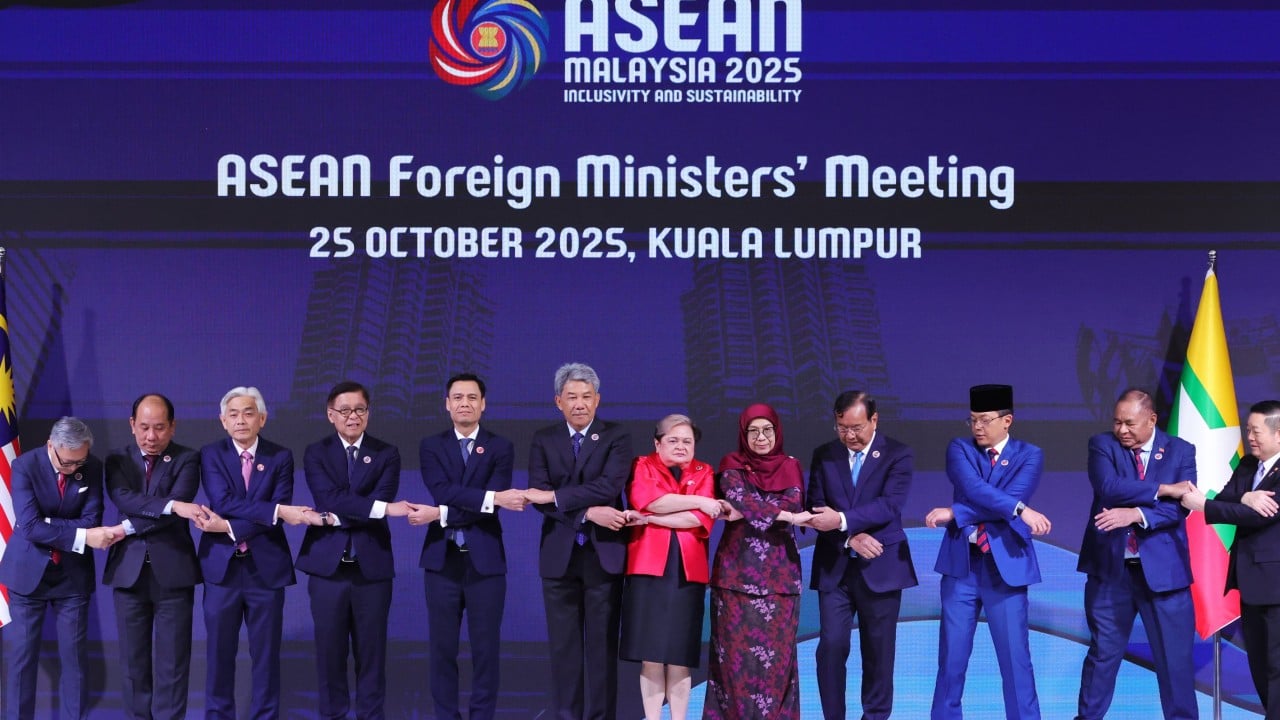
Globalization Shifts, But It Doesn't Reverse
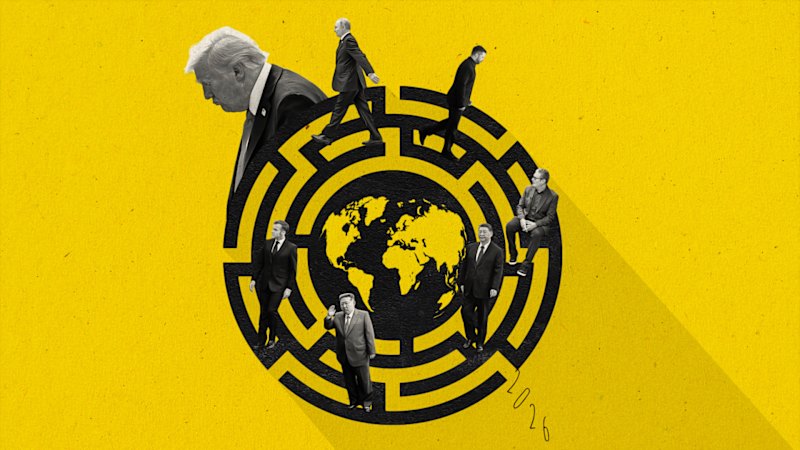
2026: A World Shaped by Washington

Global Headlines: A Look at the World's Top Stories

Geoeconomic Warfare Named Top Global Threat for 2026

Trump's Plan to Remake the World Order Begins
