Global Oil Crisis Deepens as War Shuts Key Shipping Route, Sending Nations Scrambling
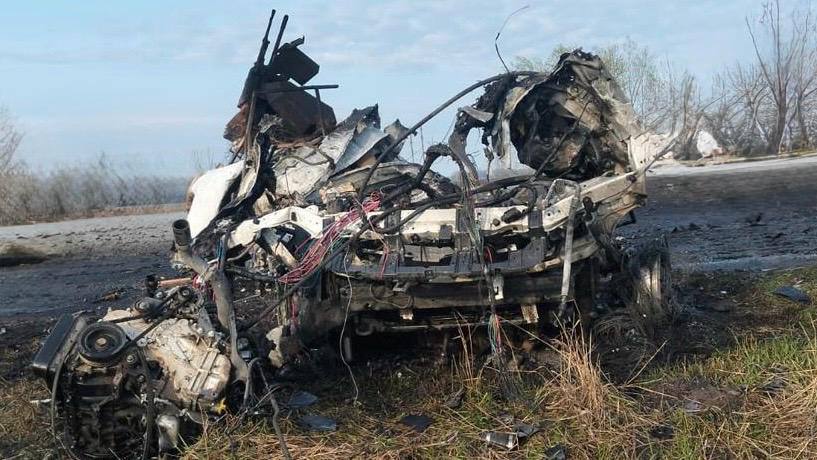
Global Oil Crisis Deepens as War Shuts Key Shipping Route, Sending Nations Scrambling A sudden and severe disruption to the world's most important oil shipping lane is triggering a global energy crisis, forcing nations into emergency diplomatic maneuvers to secure fuel and sending inflation soaring in conflict zones already under strain. The crisis stems from the near-total closure of the Strait of Hormuz, a narrow sea passage between Iran and Oman through which roughly one-fifth of the world's seaborne oil travels daily [128164]. The blockade, a result of the ongoing Middle East conflict, has caused global oil prices to spike, with immediate and severe consequences worldwide. Indonesia, facing a threat of mass poverty from rising fuel costs, dispatched its new president, Prabowo Subianto, on an urgent mission to Moscow to seek a direct deal for cheap Russian oil [128236]. The high-stakes visit underscores how the energy shock is compelling nations to seek new alliances for basic resources. The economic fallout is cascading into other war zones. In Ukraine, which had been slowly stabilizing its wartime economy, the Middle East conflict has caused a sharp reversal. Ukrainian fuel costs surged 23% in March alone, blowing past central bank forecasts and threatening to force an interest rate hike to control renewed inflation [128542]. Major powers are urgently diversifying their energy supply chains to avoid the maritime choke point. China, seeking reliable alternatives, has sent a Vice-Premier to Turkmenistan as a special representative of President Xi Jinping. The goal is to accelerate development of the giant Galkynysh gas field and secure more overland pipeline supplies from Central Asia, which are immune to sea lane blockades [128463]. Meanwhile, diplomatic coordination is intensifying among nations aligned against Western sanctions. Russia's Foreign Minister Sergey Lavrov met with China's top diplomat Wang Yi in Beijing, with the Middle East crisis and the Ukraine war as top agenda items. The talks aimed to synchronize the two powers' positions in international organizations, presenting a united front [128404]. The situation remains highly volatile. Australia's Defense Minister stated the country is "deeply invested" in keeping the Strait open but is adopting a cautious "wait-and-see" approach, monitoring ceasefire efforts and the developing military situation around the waterway [128164]. Indonesia's New President Flies to Russia for Emergency Oil Deal Middle East Conflict Reverses Ukraine's Wartime Inflation Progress Russia's Lavrov in Beijing: Ukraine, Middle East Top Agenda China Seeks Central Asian Gas as Hormuz Blockade Threatens Supplies Australia Warns: Key Global Oil Chokepoint Under Threat
Articles in this Cluster
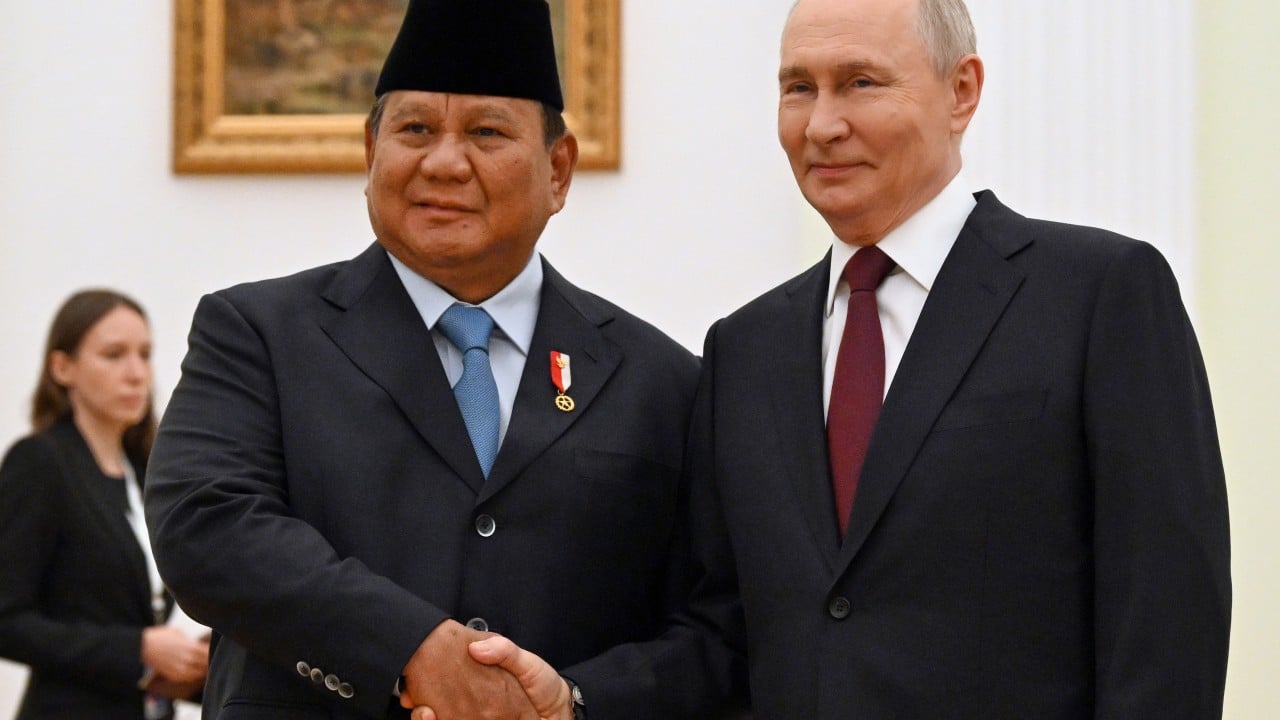
Indonesia's New President Flies to Russia for Emergency Oil Deal

Middle East Conflict Reverses Ukraine's Wartime Inflation Progress

Russia's Lavrov in Beijing: Ukraine, Middle East Top Agenda
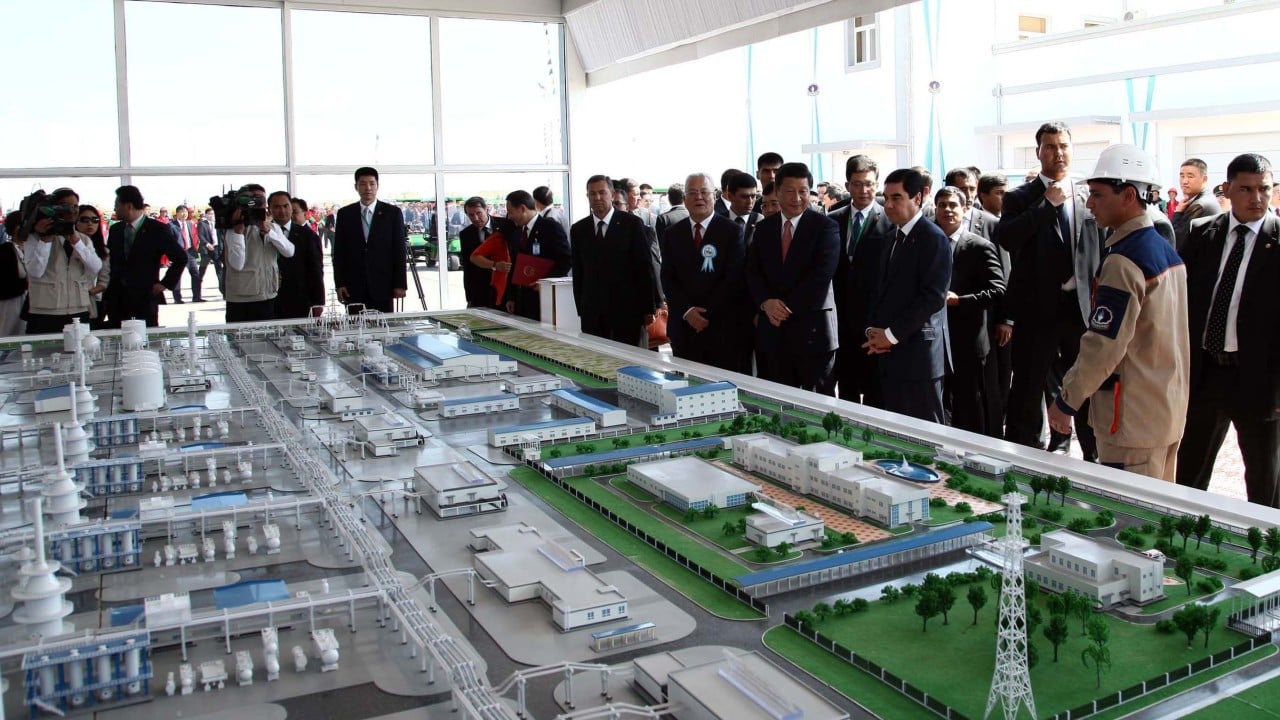
China Seeks Central Asian Gas as Hormuz Blockade Threatens Supplies
Indonesia Bolsters US Defense Ties as Prabowo Visits Russia

Quad Targets Myanmar's Rare Earths to Counter China

Australia Warns: Key Global Oil Chokepoint Under Threat

US and Finland Forge Closer Ties Amid Ukraine War Talks
Prabowo Meets Putin as Gaza War Reshapes Alliances

Estonia’s Breakaway Church Still Run by Moscow, Spy Agency Says

Economic War Plan Aims to Cripple Russia, Secure Democracy's Future
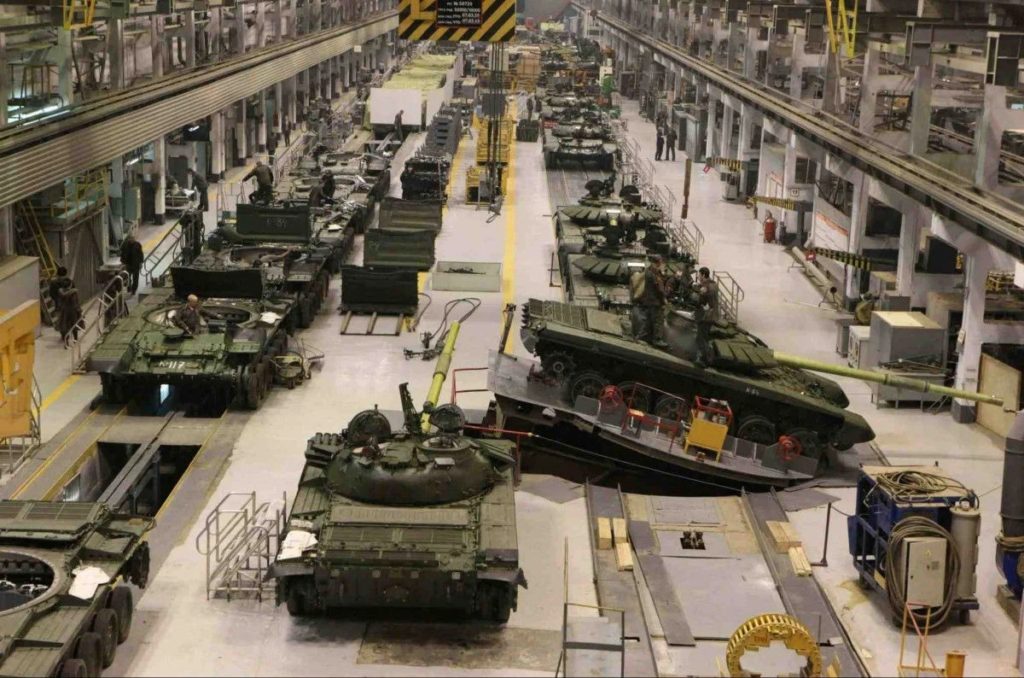
Russia Spent $130 Billion to Dodge Sanctions, Key Goods Still Missing

Hungary's New Leader: A "Tough Partner" for Ukraine, Expert Says