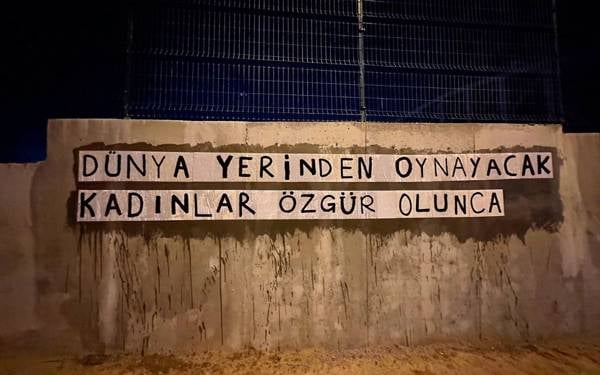
Governments and Courts Clash Over Human Rights in Global Crackdowns
Governments and Courts Clash Over Human Rights in Global Crackdowns A series of recent rulings and reports from international bodies and domestic courts reveal a stark global confrontation over fundamental human rights, with governments facing direct accusations of violating international law in the name of security and political control. In India, United Nations human rights experts have formally accused authorities of breaching international law during counter-terrorism operations in Jammu and Kashmir [12511]. The experts cited arbitrary arrests, property demolitions, communication blackouts, and forced expulsions following an attack in April, alleging these acts amount to collective punishment targeting Muslim minorities [12511]. This comes alongside a landmark domestic ruling where India’s Supreme Court declared menstrual health and hygiene a fundamental right, linking it to dignity, life, and equality [79316]. In Russia, the Supreme Court took a drastic step against civil society, ordering the closure of the historic human rights group Memorial, labeling it an "extremist organization" [126183]. The ruling, which Memorial will appeal, ends decades of work documenting past political repression and current abuses, a move experts call a major escalation in state repression [126183]. Turkey is also a focal point, where rights groups report ongoing violations. The Human Rights Association (İHD) warned that the continued detention of a critically ill prisoner, Mehmet Emin Çam, violates his fundamental right to life [107236]. Separately, a coalition of rights organizations demanded the immediate release of 84 people detained in a police operation targeting a left-wing political party, alleging detainees are denied lawyers and that women are subjected to invasive strip searches by male officers [125684]. In Africa, a pivotal case before the Africa Court on Human and Peoples’ Rights could establish a government’s duty to protect citizens displaced by climate change, arguing that failure to do so violates their rights [115873]. Meanwhile, in Nigeria, Amnesty International reported that a military airstrike killed dozens of civilians in a northeastern village, contradicting the air force's initial claim it targeted a terrorist enclave [127048]. A separate Nigerian rights group marked World Human Rights Day by demanding the government close long-term displacement camps and create a permanent resettlement plan [26326]. In Europe, nine United Nations experts demanded the United Kingdom and France abandon a controversial "one in, one out" asylum deal, warning it could lead to serious breaches of international human rights law [69103]. The experts made their letter public after receiving no satisfactory reply from the governments within a 60-day deadline [69103]. UN Experts Allege Human Rights Violations in Indian Counter-Terrorism Operations India's Supreme Court: Menstrual Health is a Fundamental Right Russia's Supreme Court Bans Memorial as "Extremist" Critically Ill Prisoner's Detention Violates Right to Life, Says Rights Group **Title:** "No Lawyer, No Privacy: Rights Groups Demand Immediate Release of 84 Detainees" **Climate Refugees Ask African Court: Is Our Home a Human Right? Nigerian Military Airstrike Kills Dozens of Civilians, Amnesty Reports Rights Group to Nigeria: "Close the Camps" UN Experts: UK-France Asylum Deal May Break Human Rights Law
Articles in this Cluster

Nigerian Military Airstrike Kills Dozens of Civilians, Amnesty Reports
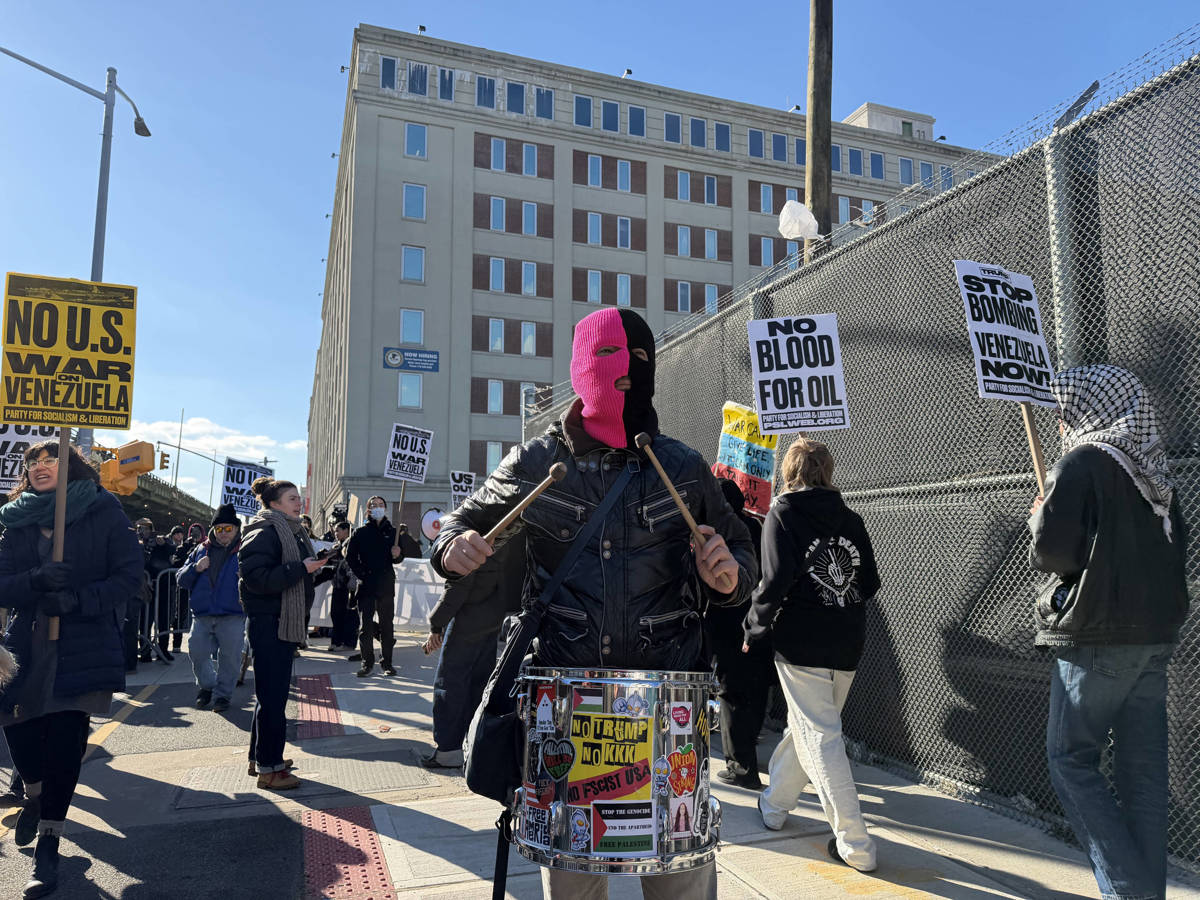
Human Rights in 2026: Can We Trust Governments to Protect Them?
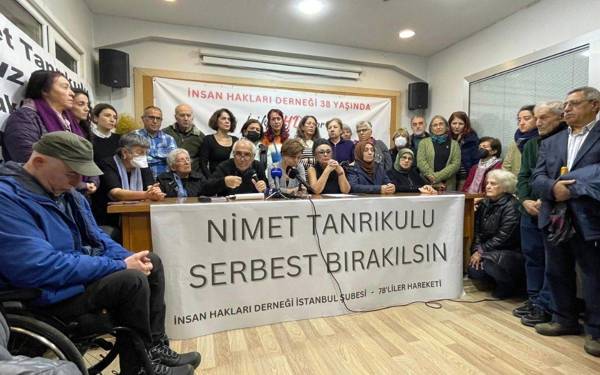
Defending the Defenders: A Universal Right and Duty
Rights Group to Nigeria: "Close the Camps"
UN Experts Allege Human Rights Violations in Indian Counter-Terrorism Operations
Human Rights Group Declares 2026 a "Year for Peace and Rights"
India's Supreme Court: Menstrual Health is a Fundamental Right
Russia's Supreme Court Bans Memorial as "Extremist"
Critically Ill Prisoner's Detention Violates Right to Life, Says Rights Group
Climate Refugees Ask African Court: Is Our Home a Human Right?
Cape NGO Fights for the Voiceless: "Not Patients, But People With Rights"
UN Experts: UK-France Asylum Deal May Break Human Rights Law