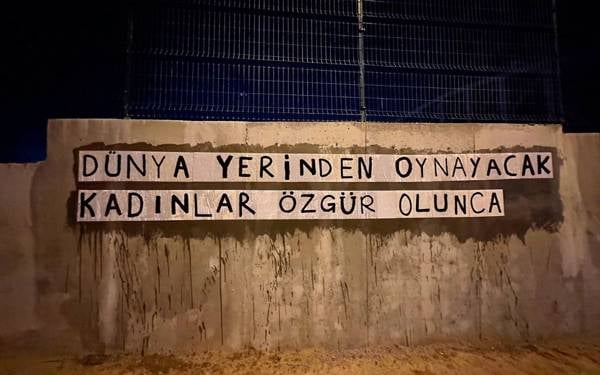
Governments Target Human Rights Groups and Dissent in Widespread Crackdown
Governments Target Human Rights Groups and Dissent in Widespread Crackdown Governments across multiple continents are escalating crackdowns on human rights organizations, political dissent, and vulnerable populations, with actions ranging from outright bans to mass detentions under questionable legal grounds. In Russia, the Supreme Court has ordered the closure of the Memorial human rights group, labeling it an "extremist organization" [126183]. Founded in the 1980s, Memorial is one of Russia's oldest groups dedicated to documenting Soviet-era repression and monitoring current rights abuses. The ruling, which forces an immediate end to its operations, has been condemned by independent experts as a major escalation in the repression of civil society [126183]. Separately, thousands of Ukrainian civilians are being illegally held in Russian prisons, a practice families and legal experts say violates international humanitarian law forbidding the arbitrary detention of civilians [126185]. In a separate operation, rights groups are demanding the urgent release of 84 people detained for alleged links to the Socialist Party of the Oppressed (ESP) [125684]. Advocates state the detainees are being denied access to lawyers and case files, while female detainees report being subjected to invasive strip searches by male officers, which defenders call a severe violation of dignity [125684]. United Nations experts have formally accused Indian authorities of human rights violations during counter-terrorism operations in Jammu and Kashmir [12511]. The experts cited arbitrary arrests, property demolitions, communication blackouts, and forced expulsions, arguing these measures amount to collective punishment that breaches international standards [12511]. In the UK and France, a group of nine UN experts has demanded the two countries stop a controversial "one in, one out" asylum agreement, warning it could lead to serious breaches of international human rights law [69103]. The deal, which allows for the reciprocal transfer of asylum seekers, was criticized in a detailed letter to both governments, which the UN made public after receiving no satisfactory reply [69103]. Meanwhile, in Turkey, the Human Rights Association (İHD) has warned that the continued detention of a critically ill prisoner, Mehmet Emin Çam, violates his fundamental right to life [107236]. The group advocates for the release of severely ill inmates on medical grounds [107236]. Russia's Supreme Court Bans Memorial as "Extremist" **Title:** "No Lawyer, No Privacy: Rights Groups Demand Immediate Release of 84 Detainees" Thousands of Ukrainian Civilians Held in Russian Prisons, Families Say UN Experts Allege Human Rights Violations in Indian Counter-Terrorism Operations UN Experts: UK-France Asylum Deal May Break Human Rights Law Critically Ill Prisoner's Detention Violates Right to Life, Says Rights Group
Articles in this Cluster
Russia's Supreme Court Bans Memorial as "Extremist"
Thousands of Ukrainian Civilians Held in Russian Prisons, Families Say
Zimbabwe Women Fight to Save Key Gender Rights Body
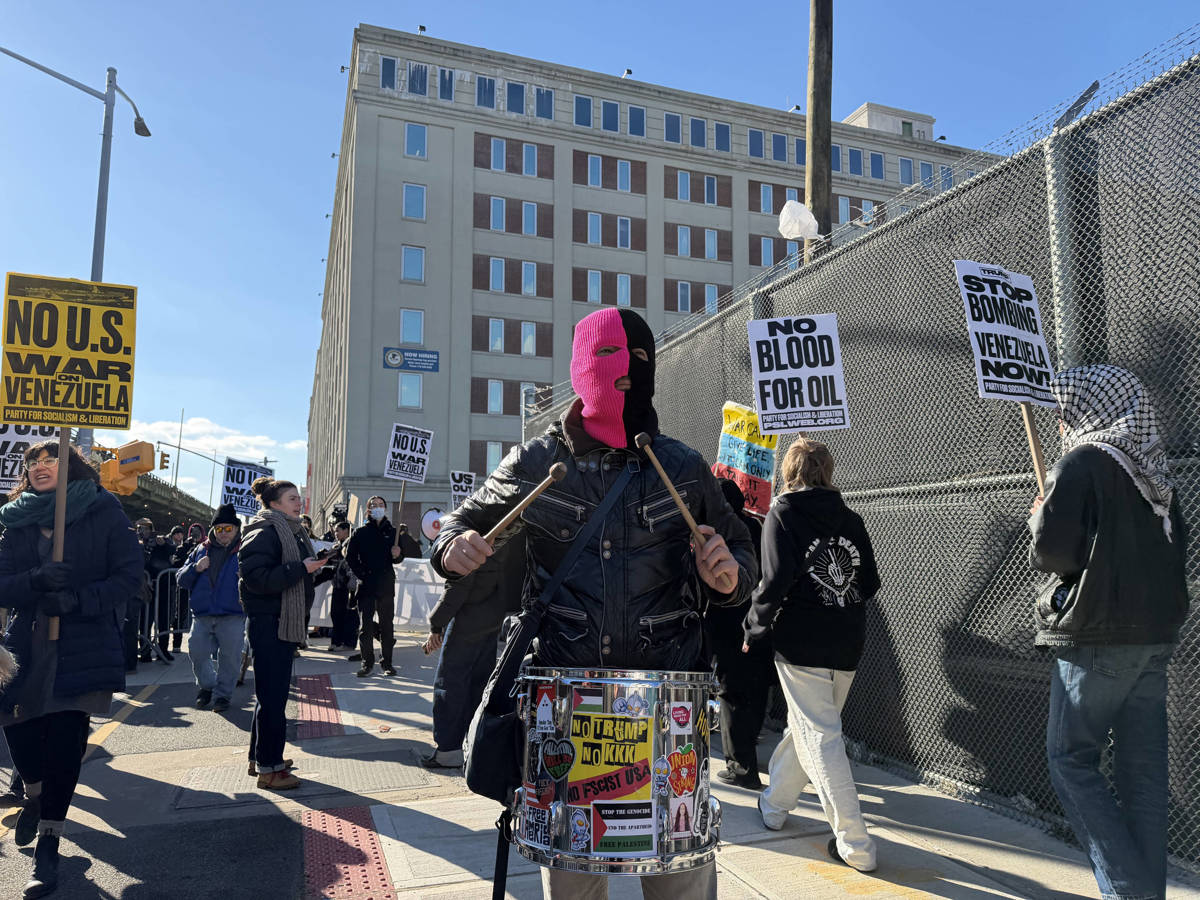
Human Rights in 2026: Can We Trust Governments to Protect Them?
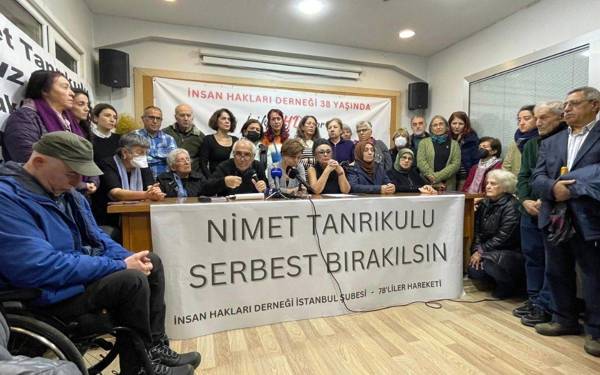
Defending the Defenders: A Universal Right and Duty
Rights Group to Nigeria: "Close the Camps"
UN Experts Allege Human Rights Violations in Indian Counter-Terrorism Operations
Human Rights Group Declares 2026 a "Year for Peace and Rights"
India's Supreme Court: Menstrual Health is a Fundamental Right
Critically Ill Prisoner's Detention Violates Right to Life, Says Rights Group
Climate Refugees Ask African Court: Is Our Home a Human Right?
Cape NGO Fights for the Voiceless: "Not Patients, But People With Rights"
UN Experts: UK-France Asylum Deal May Break Human Rights Law