AI Takes the Field: How New Tech is Transforming the Olympics and Beyond
AI Takes the Field: How New Tech is Transforming the Olympics and Beyond From judging jumps to creating viral clips, artificial intelligence is fundamentally changing how the world watches and understands sports. The technology, which made a major global debut at the recent Milano Cortina Winter Olympics, is now being deployed to enhance broadcasts, assist officials, and engage fans in unprecedented ways. The most striking innovation allows viewers to see athletic feats from angles previously impossible. During the Games, when American figure skater Ilia Malinin executed a quadruple jump, a replay generated by artificial intelligence showed his four mid-air revolutions as if the camera was orbiting around him in space [82096]. This "orbiting" perspective is created by AI systems that build detailed three-dimensional models from standard broadcast camera feeds, enabling virtual cameras to be placed anywhere [82096]. Beyond spectacle, the technology serves practical purposes. Olympic officials are using these AI systems to aid in judging, analyzing performances with new levels of detail [82096]. The same tools are also automatically generating tailored content for social media platforms, feeding the global demand for instant, shareable highlights directly from the events [82096]. This high-tech integration even extends to honoring history. At the same Milano Cortina Games, photographers are using adapted 70-year-old Graflex cameras from the 1950s to shoot events, blending Olympic tradition with modern immediacy. The vintage cameras have been modified to transmit their images live to smartphones, allowing the nostalgic photos to reach a digital audience in real time [79782]. The move signals a broader shift where AI is moving from digital applications into the physical world. Similar machine-learning software is now powering robots on construction sites and optimizing assembly lines in factories, driving a noted productivity boom in blue-collar industries [30415]. In the United Kingdom, the military is testing drones that use AI to scan for landmines and hidden explosives from a safe distance, a tool aimed at saving lives during dangerous clearance operations [118535]. As the technology evolves, its role in both public entertainment and critical practical tasks is set to expand, reshaping fields from sports broadcasting to industrial work and security. AI Replay Tech Makes Olympic Jumps Spin on Screen Vintage Cameras Capture 2026 Olympics for Modern Crowd AI's New Blue-Collar Boom: Robots Fuel a Productivity Surge AI Drones Hunt Landmines: UK Tests Life-Saving Tech
Articles in this Cluster
Vintage Cameras Capture 2026 Olympics for Modern Crowd

AI Replay Tech Makes Olympic Jumps Spin on Screen

Chinese Stealth Tech Could Turn Enemy Radar into a Power Source

Imperfect Diamonds: The New Heart of a Quantum Revolution

China's New AI "Officer" Outsmarts Humans in War Games

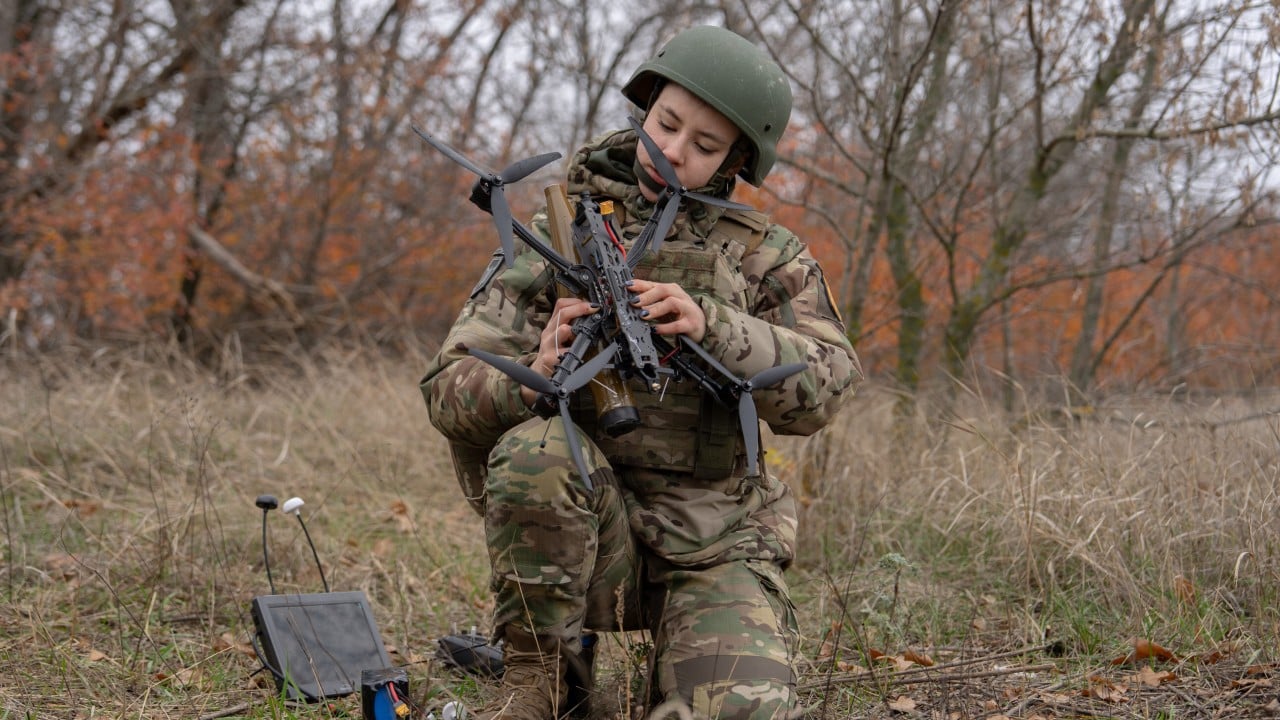
AI Drones Hunt Landmines: UK Tests Life-Saving Tech
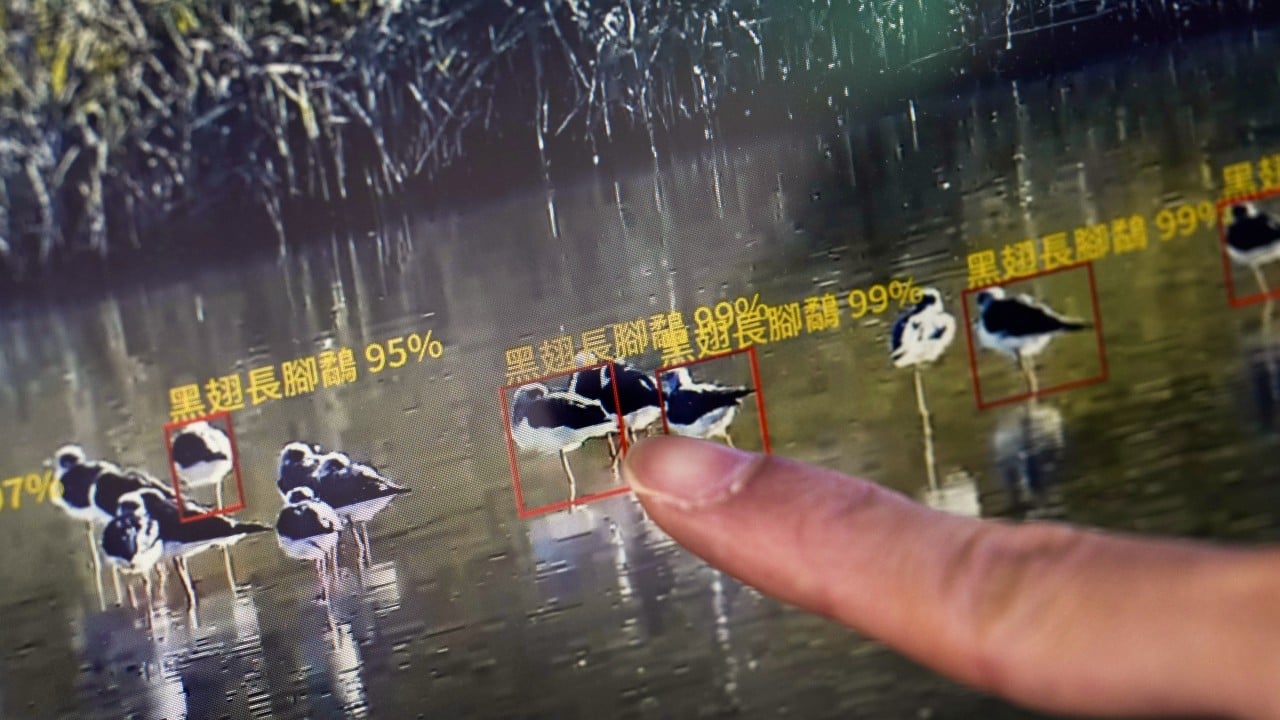
Hong Kong Deploys AI Robot Dogs to Scan for Wildlife
Swapping My Smartphone for a 90s Kit: A Month of Analogue Life

Spy Roaches: German Firm Turns Insects into Tiny Agents

From Y2K Panic to AI Reality: The 25-Year Tech Revolution
Technology's Double-Edged Sword: Amplifying Information Disorder

NASA Astronauts to Take Smartphones to the Moon
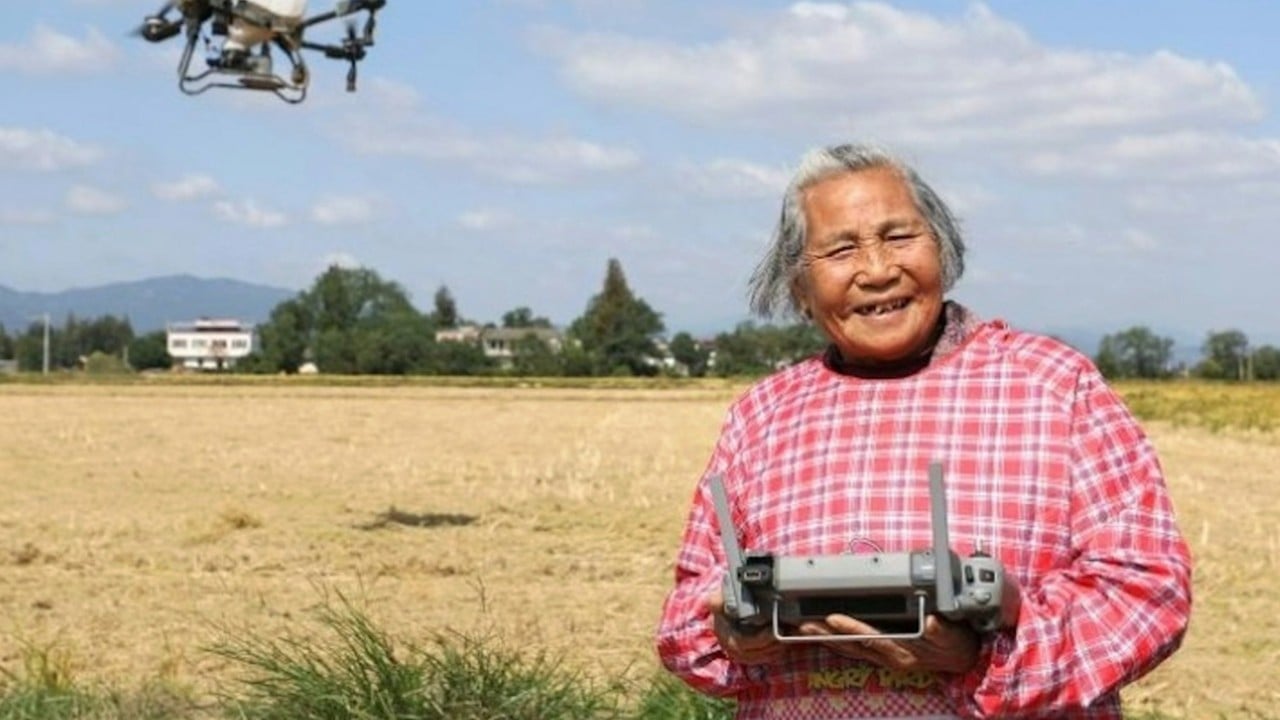
At 82, China's 'Hardcore Grandma' Pilots Drones and Sells Rice Online