AI Takes the Field: From Olympic Replays to Landmine Hunts, How Artificial Intelligence is Changing the Game
AI Takes the Field: From Olympic Replays to Landmine Hunts, How Artificial Intelligence is Changing the Game From the Olympic podium to minefields and military command posts, artificial intelligence is rapidly moving from research labs into real-world operations, reshaping industries with its ability to analyze data and automate complex tasks. At the recent Winter Olympics, a new AI-powered replay system gave global audiences a revolutionary view of athletic performance. When American figure skater Ilia Malinin executed a quadruple jump, the broadcast used AI to generate a three-dimensional model, allowing the replay to appear to orbit around the spinning athlete in mid-air. This technology creates perspectives from angles without physical cameras, aiding both broadcast entertainment and official judging [82096]. Beyond entertainment, AI is being deployed for life-saving security purposes. The United Kingdom is testing drones equipped with artificial intelligence designed to detect landmines and hidden explosives from the air. The AI scans the ground to automatically identify threats, allowing for the rapid and safe survey of large, dangerous areas—a task that traditionally put soldiers at grave risk [118535]. The military application of AI is advancing at the tactical level as well. In a recent simulation, China tested an AI "digital staff officer" at the battalion command level during a mock amphibious assault. The system was designed to cut through the "fog of war" by processing chaotic battlefield reports and radio traffic, providing rapid decision-making support. Reports indicated its planning speed surpassed human capabilities in the high-pressure scenario, highlighting a global push to integrate AI into frontline military operations [124817]. In environmental protection, Hong Kong is utilizing AI and robotics to conduct precise wildlife surveys. At the Hong Kong Wetland Park, authorities are testing AI-powered cameras that automatically identify bird species and a laser-scanning robot, resembling a robotic dog, that creates detailed 3D maps of trees to assess their health. This data is intended to inform major construction projects, aiming to balance development with conservation by eliminating human error from ecological reviews [47560]. These diverse implementations underscore a broader trend where AI is transitioning from a theoretical tool to a practical asset, capable of enhancing precision, safety, and efficiency across vastly different fields. AI Replay Tech Makes Olympic Jumps Spin on Screen AI Drones Hunt Landmines: UK Tests Life-Saving Tech China's New AI "Officer" Outsmarts Humans in War Games Hong Kong Deploys AI Robot Dogs to Scan for Wildlife
Articles in this Cluster

China's New AI "Officer" Outsmarts Humans in War Games
Uganda to Launch First Climate Watchdog Satellite
Vintage Cameras Capture 2026 Olympics for Modern Crowd
Insurer's New App Lets Foreign Tourists Pay for Driving in Japan With Their Data

Satellites vs. Sprawl: Rwanda's High-Tech Fight for Farmland

AI Replay Tech Makes Olympic Jumps Spin on Screen

Chinese Stealth Tech Could Turn Enemy Radar into a Power Source

Imperfect Diamonds: The New Heart of a Quantum Revolution

AI Drones Hunt Landmines: UK Tests Life-Saving Tech
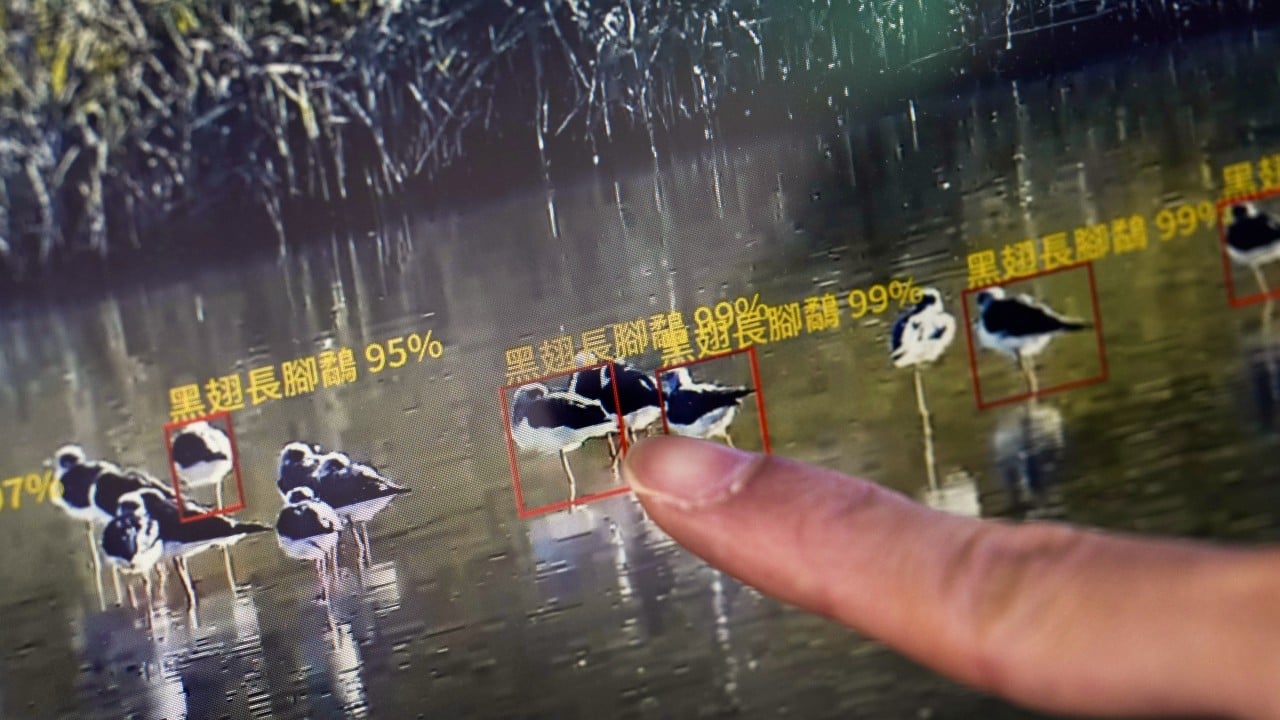
Hong Kong Deploys AI Robot Dogs to Scan for Wildlife
Swapping My Smartphone for a 90s Kit: A Month of Analogue Life

Spy Roaches: German Firm Turns Insects into Tiny Agents

From Y2K Panic to AI Reality: The 25-Year Tech Revolution
Technology's Double-Edged Sword: Amplifying Information Disorder
