AI Takes the Field: How New Tech is Changing the Olympics and War Games
AI Takes the Field: How New Tech is Changing the Olympics and War Games From the ice rinks of the Winter Olympics to simulated military command tents, artificial intelligence is rapidly transforming how major events are analyzed and broadcast. New AI systems are creating unprecedented views for spectators and providing strategic support in high-stakes scenarios, marking a significant leap in the technology's practical applications. At the recent Milano Cortina Winter Olympics, a new broadcasting technology made its global debut. It used AI to show athletic moves from impossible angles, such as making a figure skater's quadruple jump appear to orbit around him in mid-air during a replay [82096]. The system creates detailed 3D models from standard camera footage, allowing broadcasters to generate replays from any vantage point, a tool also used to aid officials with judging and create social media content. In a parallel development, China's military has tested a new AI designed to act as a digital staff officer. In a simulated amphibious assault, the AI was tasked with cutting through the "fog of war"—the confusion inherent in battle—by processing chaotic battlefield reports and radio traffic. It then provided rapid decision-making support to the human commander, with reports indicating its performance surpassed human planning speed in the high-pressure scenario [124817]. The AI is designed to operate at the battalion level, suggesting integration into frontline command structures. This trend extends to other fields where rapid analysis is critical. The United Kingdom is testing drones that use AI to scan the ground and automatically identify landmines and hidden explosives from a safe distance, a system proven in successful trials to make bomb disposal faster and safer [118535]. Similarly, Hong Kong’s environmental agency is using AI-powered cameras to automatically identify bird species as part of environmental reviews for major construction projects [47560]. The underlying technology enabling these feats is advancing on multiple fronts. Scientists are now using imperfect diamonds with tiny atomic flaws to create powerful quantum sensors, which could one day detect the minute magnetic fields from a single brain cell [37022]. Meanwhile, Chinese researchers have developed a "smart surface" that can transform electromagnetic waves, like radar signals, into electricity—a breakthrough that could one day allow stealth aircraft to use enemy radar as a power source and also aid in building next-generation 6G networks [36179]. AI Replay Tech Makes Olympic Jumps Spin on Screen China's New AI "Officer" Outsmarts Humans in War Games AI Drones Hunt Landmines: UK Tests Life-Saving Tech Hong Kong Deploys AI Robot Dogs to Scan for Wildlife Imperfect Diamonds: The New Heart of a Quantum Revolution Chinese Stealth Tech Could Turn Enemy Radar into a Power Source
Articles in this Cluster

China's New AI "Officer" Outsmarts Humans in War Games
Uganda to Launch First Climate Watchdog Satellite
Insurer's New App Lets Foreign Tourists Pay for Driving in Japan With Their Data

Satellites vs. Sprawl: Rwanda's High-Tech Fight for Farmland
Vintage Cameras Capture 2026 Olympics for Modern Crowd

AI Replay Tech Makes Olympic Jumps Spin on Screen

Chinese Stealth Tech Could Turn Enemy Radar into a Power Source

Imperfect Diamonds: The New Heart of a Quantum Revolution

AI Drones Hunt Landmines: UK Tests Life-Saving Tech
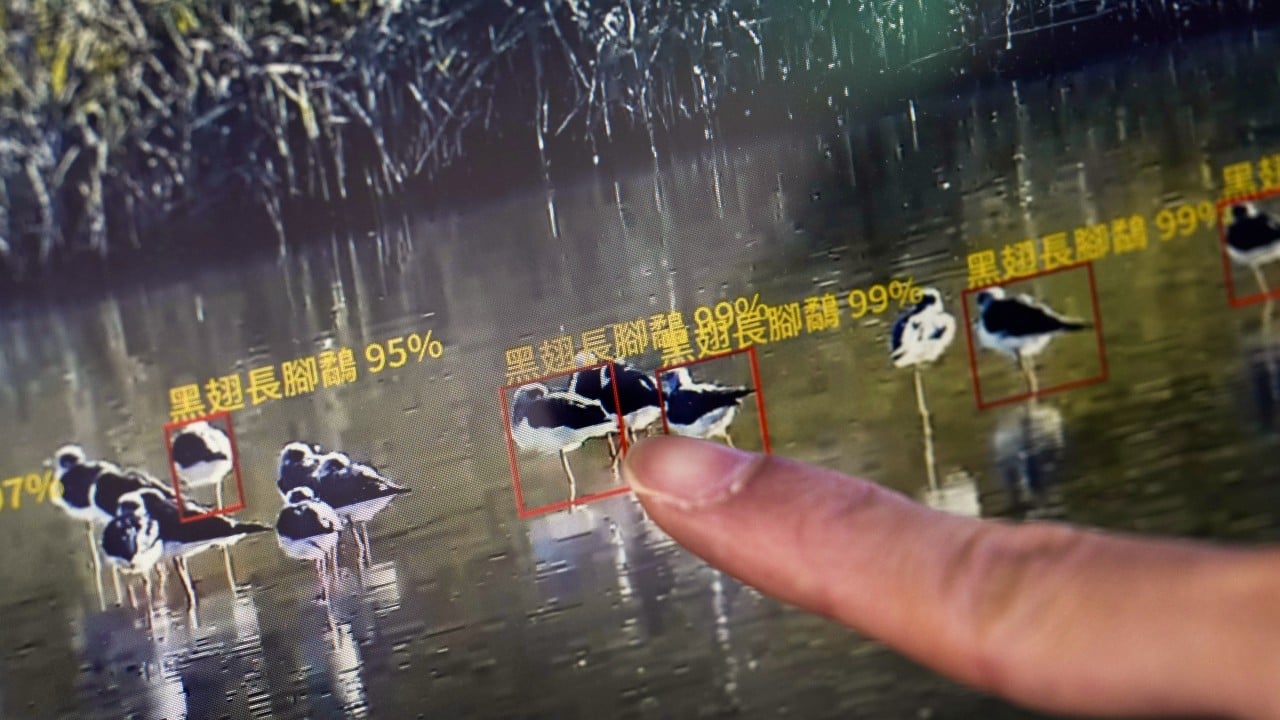
Hong Kong Deploys AI Robot Dogs to Scan for Wildlife
Swapping My Smartphone for a 90s Kit: A Month of Analogue Life

Spy Roaches: German Firm Turns Insects into Tiny Agents

From Y2K Panic to AI Reality: The 25-Year Tech Revolution
Technology's Double-Edged Sword: Amplifying Information Disorder
