AI Drones and Robot Dogs: How Nations Are Deploying 5 New Tech Tools for War and Wildlife
AI Drones and Robot Dogs: How Nations Are Deploying 5 New Tech Tools for War and Wildlife From the battlefields of Ukraine to the wetlands of Hong Kong, governments are rapidly deploying a new generation of artificial intelligence and robotics to gain strategic advantages, protect soldiers, and monitor the natural world. In the United Kingdom, defense officials are testing AI-powered drones designed to detect landmines and hidden explosives from the air. The system uses artificial intelligence to automatically scan large areas of ground, identifying threats to allow for safe clearance from a distance. A successful trial has proven the concept, marking a significant step in using robotics for hazardous security and humanitarian tasks [118535]. The technological shift is not limited to conflict zones. In Hong Kong, environmental authorities are employing AI and laser-armed robots to conduct precise wildlife surveys ahead of major construction. At the Hong Kong Wetland Park, an AI camera system automatically identifies bird species, while a robotic dog equipped with laser scanning technology moves through forests. It fires safe laser pulses to create detailed 3D maps, measuring the health and location of individual trees to help planners avoid ecological damage [47560]. Meanwhile, the nature of surveillance itself is evolving. Security experts warn that as restrictions target fixed security cameras, the threat is shifting to smaller, harder-to-detect spy drones. These unmanned devices can access areas traditional cameras cannot, creating new challenges for monitoring and defense [122343]. On the battlefield, Ukrainian forces are suspected of deploying advanced non-lethal U.S. technology known as a "blackout bomb." The weapon is designed to cripple electrical infrastructure by firing carbon-fiber filaments over power stations, causing massive short circuits and prolonged blackouts without conventional explosions. The same technology was used to disable most of Iraq's power grid during the Gulf War [122402]. Parallel breakthroughs are making once-exclusive military hardware dramatically cheaper. Researchers in China have developed a method to produce high-performance infrared imaging chips using standard silicon, slashing their cost from thousands to just dozens of U.S. dollars. These chips, crucial for night-vision and guidance systems, could soon be mass-produced, potentially making the technology ubiquitous in consumer devices like smartphones and self-driving cars [122499]. AI Drones Hunt Landmines: UK Tests Life-Saving Tech Hong Kong Deploys AI Robot Dogs to Scan for Wildlife US Ban on Spy Cameras Backfires, Fuels Drone Threat Ukraine Suspected of Using U.S. "Blackout Bomb" Tech Chinese Military-Grade Tech Now Costs Less Than a Video Game
Articles in this Cluster
Insurer's New App Lets Foreign Tourists Pay for Driving in Japan With Their Data

Satellites vs. Sprawl: Rwanda's High-Tech Fight for Farmland
Vintage Cameras Capture 2026 Olympics for Modern Crowd

AI Replay Tech Makes Olympic Jumps Spin on Screen

Chinese Stealth Tech Could Turn Enemy Radar into a Power Source

US Ban on Spy Cameras Backfires, Fuels Drone Threat

Imperfect Diamonds: The New Heart of a Quantum Revolution

AI Drones Hunt Landmines: UK Tests Life-Saving Tech
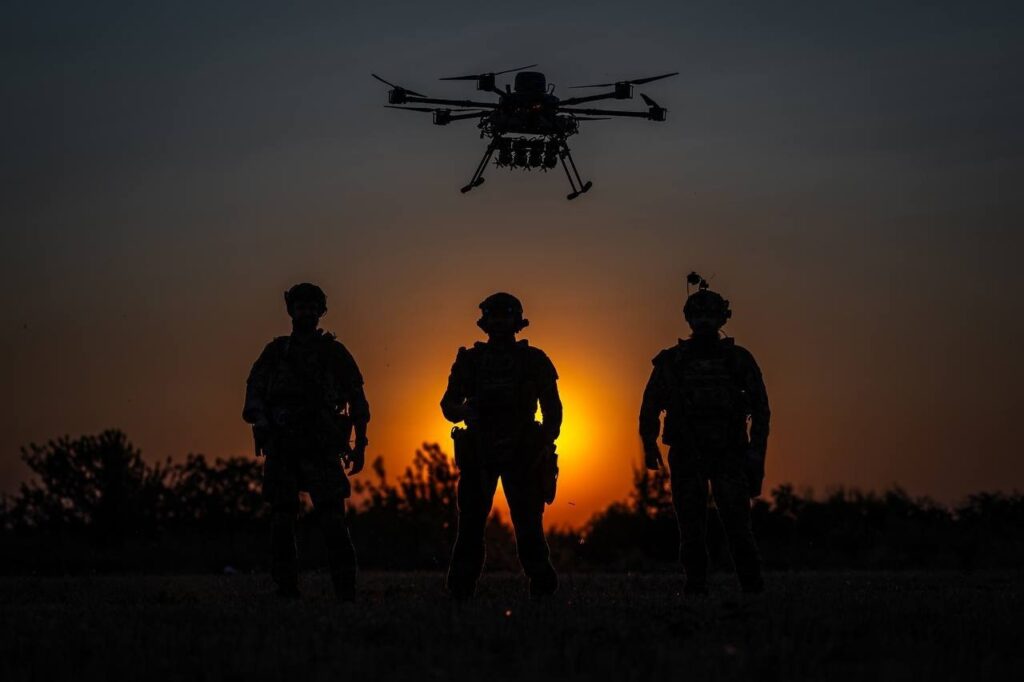
Ukraine Suspected of Using U.S. "Blackout Bomb" Tech
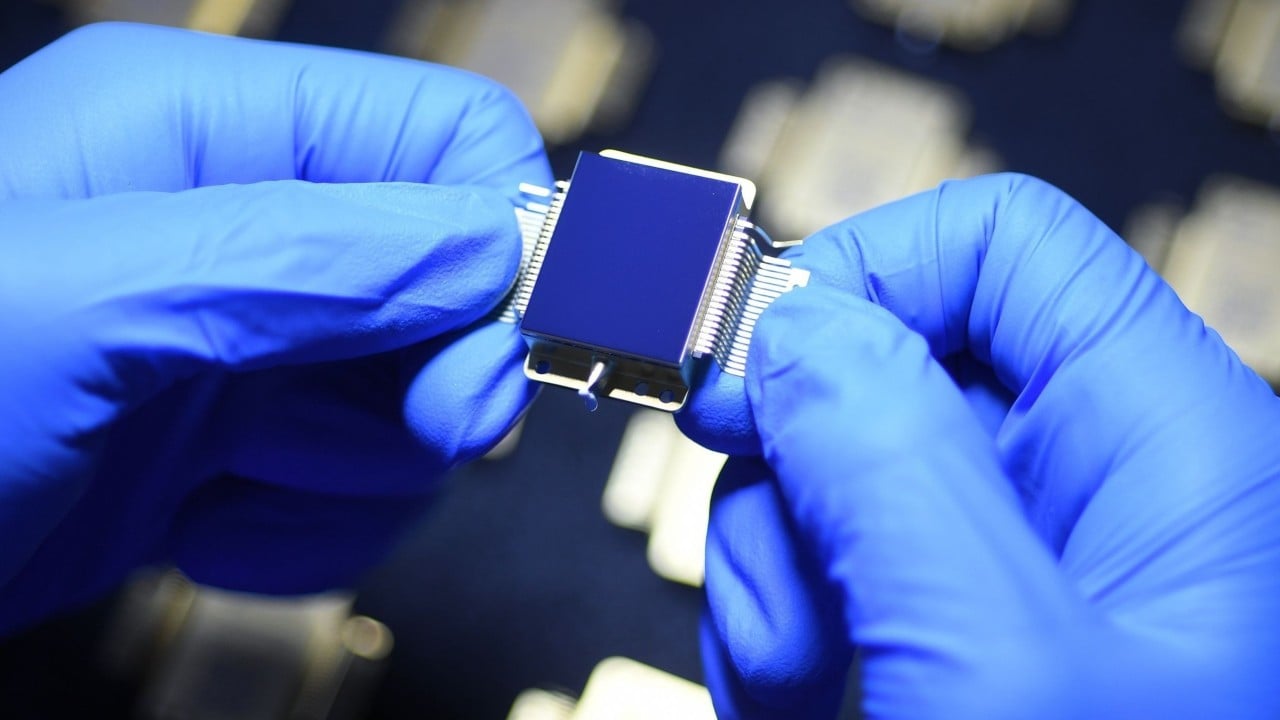
Chinese Military-Grade Tech Now Costs Less Than a Video Game

Hong Kong Deploys AI Robot Dogs to Scan for Wildlife
Swapping My Smartphone for a 90s Kit: A Month of Analogue Life

Spy Roaches: German Firm Turns Insects into Tiny Agents
Google's A.I. Answers: A Mix of Expert and Internet Gossip
