U.S.-Iran Ceasefire Sparks Fierce Debate in Israel and Washington
U.S.-Iran Ceasefire Sparks Fierce Debate in Israel and Washington A new, indirect ceasefire between the United States and Iran has triggered immediate political backlash in Washington and a heated security debate in Israel, as officials grapple with the deal's implications. The agreement, which recently took effect, aims to lower tensions and includes conditions such as a halt to attacks on U.S. forces by Iran-backed groups [124013]. In Washington, prominent Republican Senator Lindsey Graham slammed the deal as "troubling," arguing any diplomatic solution must force Iran to completely halt its nuclear enrichment program [124218]. The criticism was echoed in Israel, where analysts and politicians are deeply divided. Some see the ceasefire as a necessary step to prevent a wider regional war [124013]. Others warn it is a dangerous move that provides Iran with resources and time to build up its military power [124013]. Opposition leader Yair Lapid directly criticized the Israeli government, accusing it of political ineffectiveness and losing influence with its U.S. ally over the deal [124013]. The Israeli government has not yet issued an official statement on the ceasefire as officials continue to assess its impact [124013]. The debate underscores the fragile nature of the agreement as it faces scrutiny from key American allies and domestic political opponents in the U.S. [124218][124013]. Graham Slams New Iran Deal as Ceasefire Begins Israel Debates U.S.-Iran Ceasefire: Security Fears and Political Blame Game
Articles in this Cluster
Cartoon Links Trump to Moon Mission Delays

Turkish Opposition Leader Accuses Government of Constitutional Violation
Graham Slams New Iran Deal as Ceasefire Begins
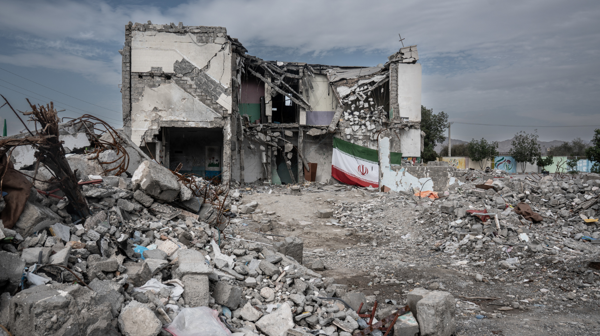
Israel Debates U.S.-Iran Ceasefire: Security Fears and Political Blame Game
Title: Mamdani's New York: Fear, Reverence, and a Divided City

Orban's Re-Election Gamble: Russian Gas vs. Cheap Bills
Gender Quotas Not Enough: African Parties Must Act to Lift Women Leaders

Iranian-American Politicians Reject Using Protests to Justify War
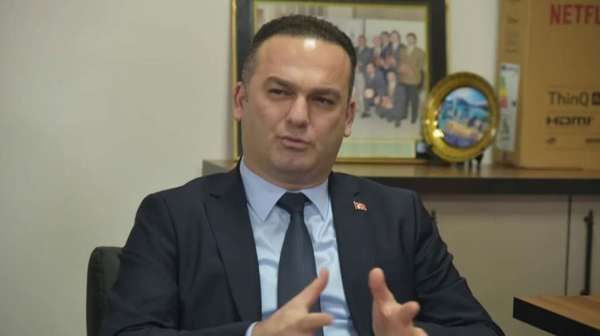
Turkish MP Demands Inquiry After Child Abuse Allegations Against Official
Schröder's Return? Why Some Germans Miss a Putin Ally

Zimbabwe Ruling Party Proposes Ending Presidential Elections
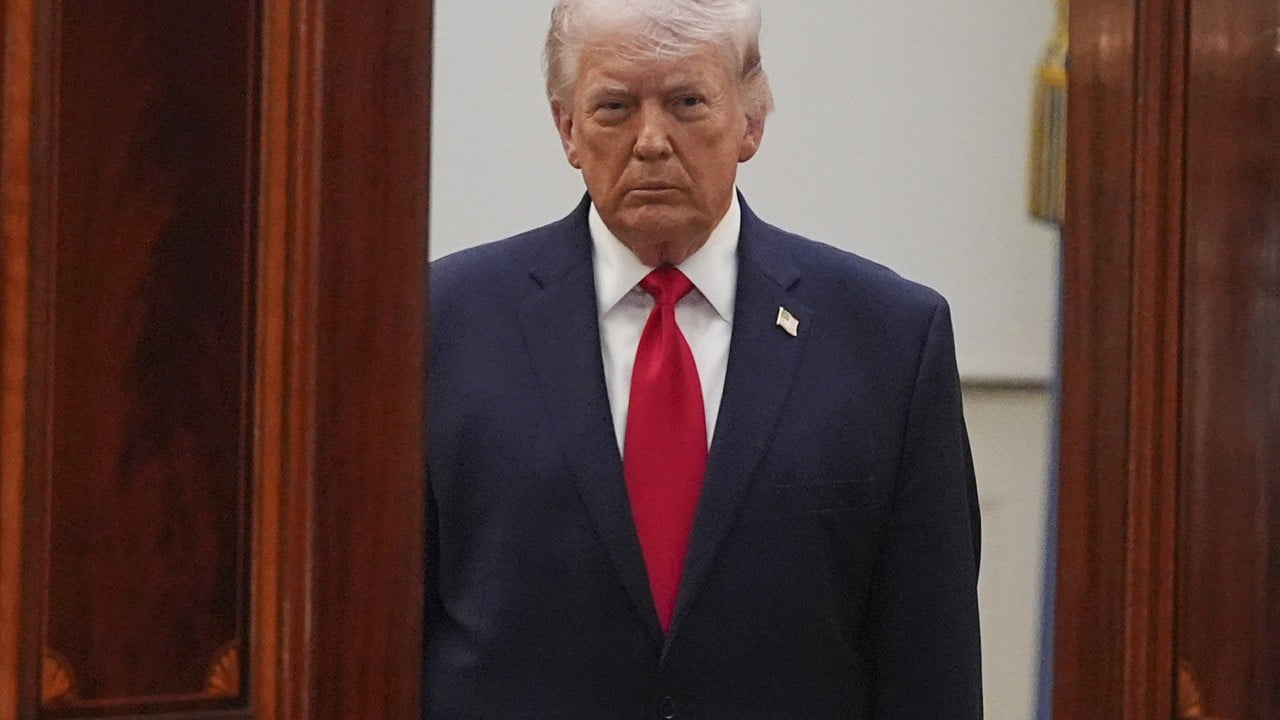
Trump's Profane Post: A Calculated Strategy for Permanent Conflict?

U.S. Backs Orban as Hungary Votes, Echoing Putin's Europe Criticism
