China Pushes Brain Implants, Robot Dogs in High-Tech Surge
China Pushes Brain Implants, Robot Dogs in High-Tech Surge China is accelerating its development of advanced robotics and neural technology, marking a significant push in the global race for technological supremacy. The drive spans from medical breakthroughs to urban management and military applications, funded by billions in national investment. In a major medical milestone, Chinese regulators have approved the country's first implantable brain-computer interface (BCI) for clinical use [101462]. Developed by Neuracle, the device is designed for patients with paralysis, allowing them to control assistive devices like robotic gloves with their thoughts to perform basic tasks. The approval signals a move to commercialize technology once confined to research labs, focusing on restoring independence for those with severe injuries. Alongside medical tech, Beijing is investing heavily in robotic systems for both civilian and potential military roles [102066]. This includes the development of "robot dogs" envisioned for surveillance and combat, as well as humanoid robots for service industries like bartending. The national effort aims to outpace competitors like the United States, though it has sparked debate over whether the rapid push prioritizes speed over practical reliability and safety. These robots are already being deployed for practical urban and environmental tasks. In Hong Kong, AI-powered robotic dogs equipped with laser scanners are mapping forests and assessing tree health to protect nature from major construction projects [47560]. Simultaneously, in Singapore, trials are underway using AI-powered drones to autonomously inspect high-rise buildings for defects like cracks and corrosion, a job traditionally done by workers on ropes [101268]. The technological surge extends to foundational research with dual-use potential. Scientists at Xidian University have created a "smart surface" that can transform enemy radar signals into electricity, a development that could power future stealth aircraft while hiding them from detection [36179]. Furthermore, Chinese researchers are at the forefront of using imperfect diamonds to build sensitive quantum sensors and powerful quantum computers, turning the gems into cornerstones for next-generation technology [37022]. The broad push demonstrates China's ambition to lead in fields ranging from healthcare and urban management to defense and fundamental physics, integrating advanced AI and robotics into the fabric of its society and economy. China Approves First Brain Implant to Control Devices with Thought China Bets Billions on Robot Dogs, AI Bartenders in Tech Race with U.S. Hong Kong Deploys AI Robot Dogs to Scan for Wildlife AI-Powered Drones Now Inspect Singapore's Skyscrapers Chinese Stealth Tech Could Turn Enemy Radar into a Power Source Imperfect Diamonds: The New Heart of a Quantum Revolution
Articles in this Cluster
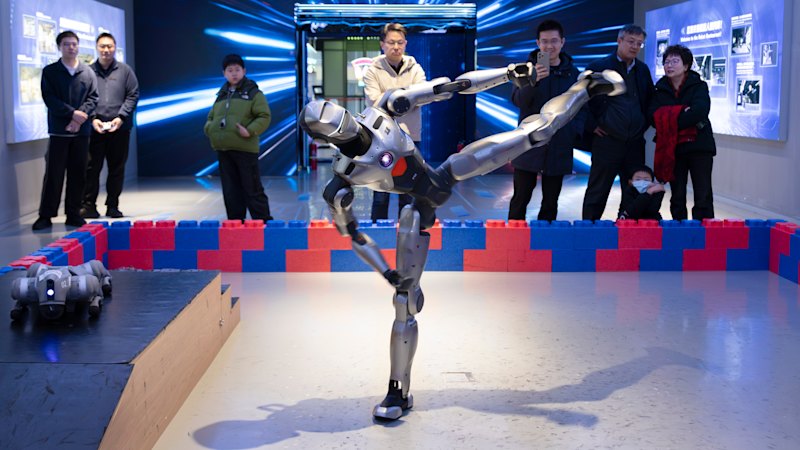
China Bets Billions on Robot Dogs, AI Bartenders in Tech Race with U.S.

China Approves First Brain Implant to Control Devices with Thought
AI-Powered Drones Now Inspect Singapore's Skyscrapers
Vintage Cameras Capture 2026 Olympics for Modern Crowd

AI Replay Tech Makes Olympic Jumps Spin on Screen

Chinese Stealth Tech Could Turn Enemy Radar into a Power Source

Imperfect Diamonds: The New Heart of a Quantum Revolution
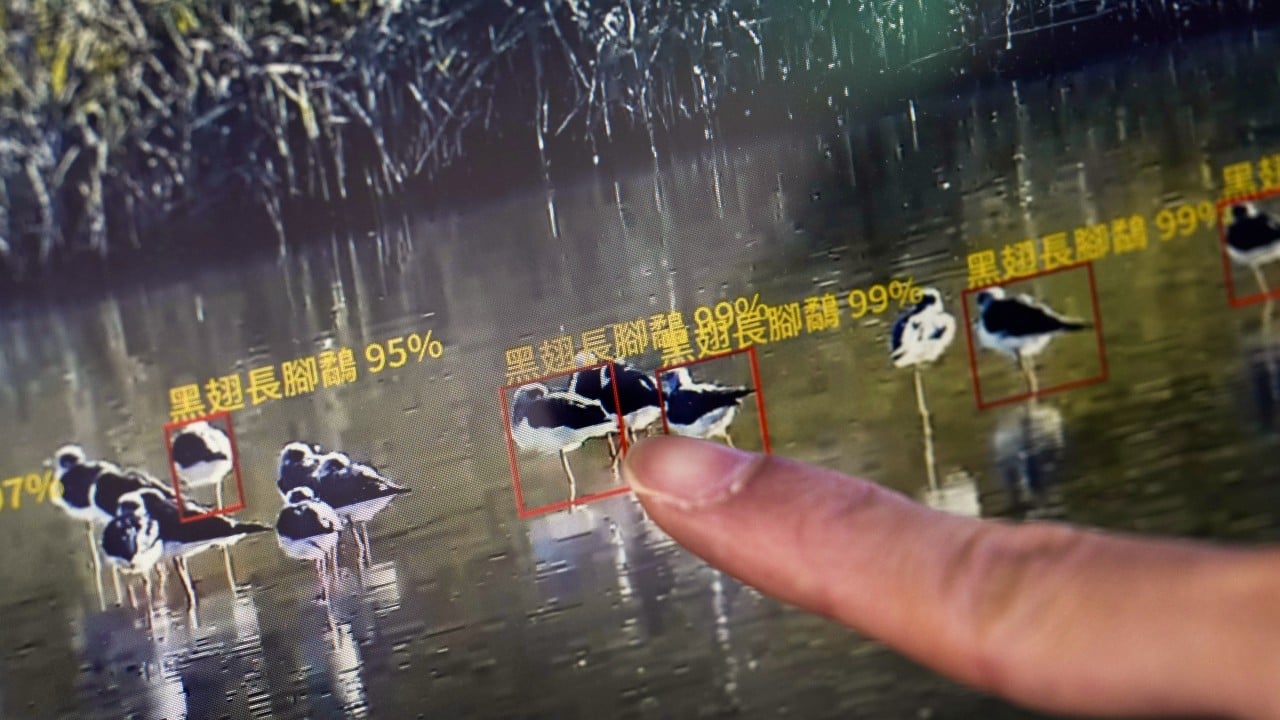
Hong Kong Deploys AI Robot Dogs to Scan for Wildlife
"Keyboard Jamming": The Simple Trick to Fake Remote Work Activity
Swapping My Smartphone for a 90s Kit: A Month of Analogue Life

Spy Roaches: German Firm Turns Insects into Tiny Agents

From Y2K Panic to AI Reality: The 25-Year Tech Revolution
Technology's Double-Edged Sword: Amplifying Information Disorder

NASA Astronauts to Take Smartphones to the Moon